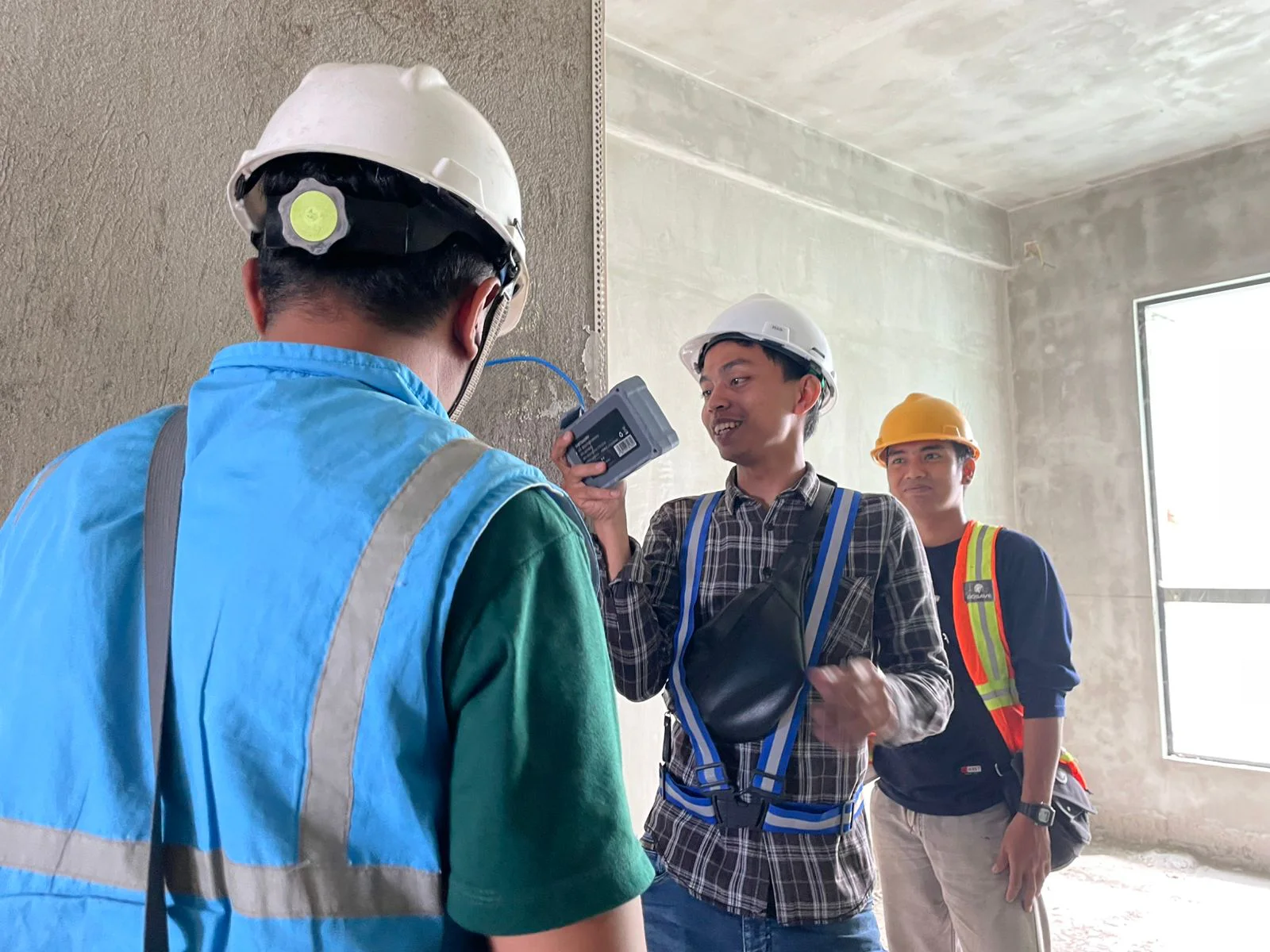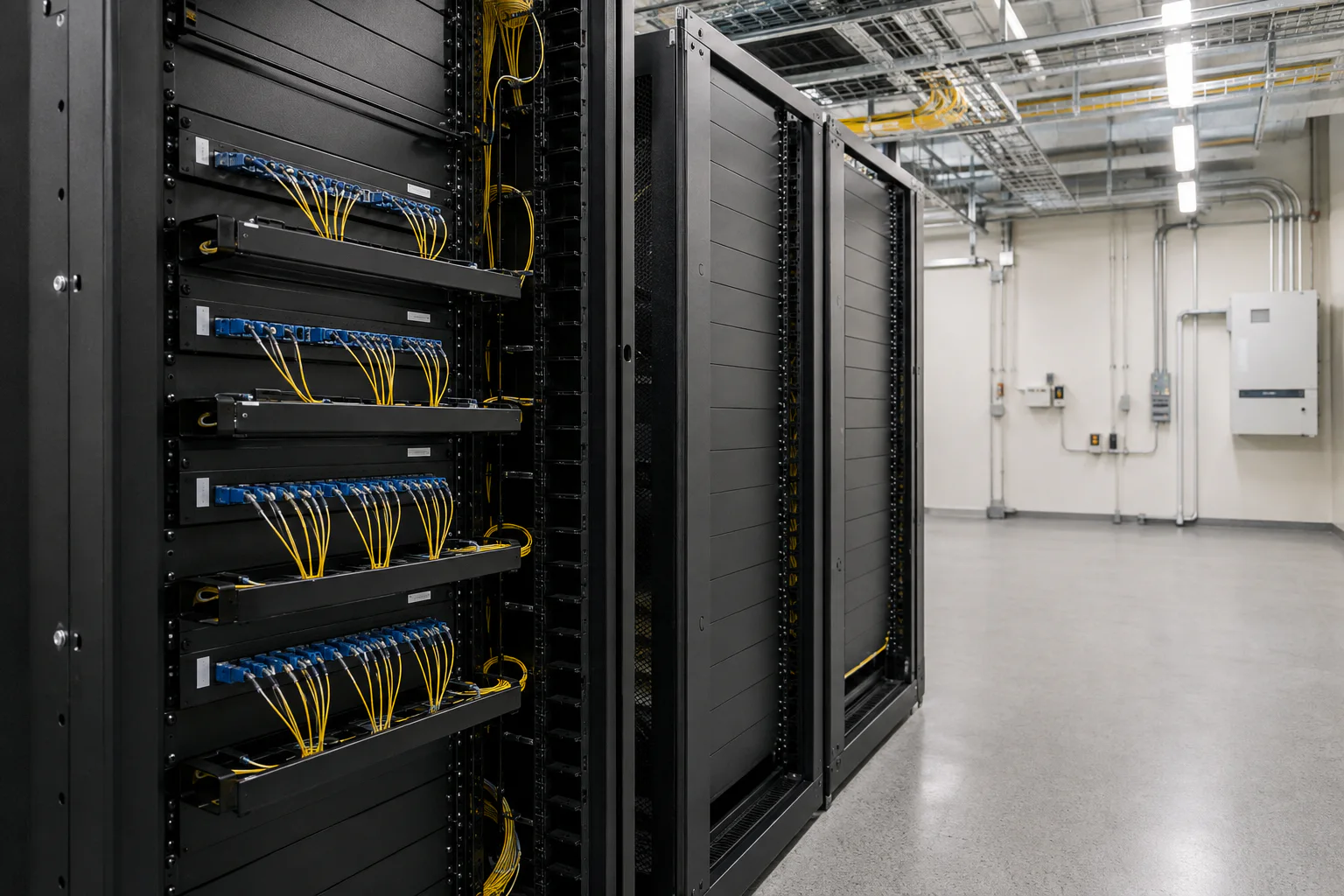
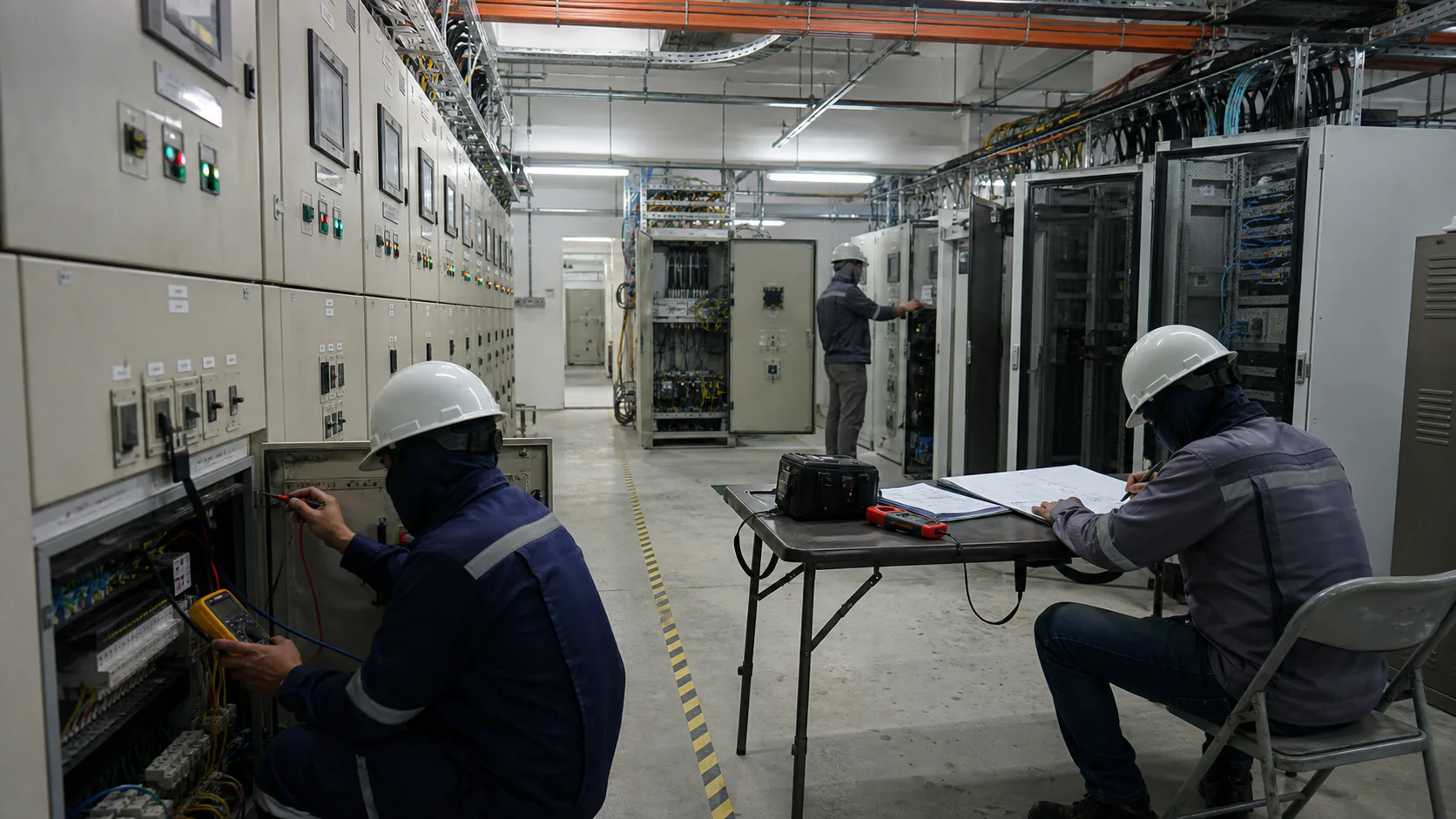
Start with an acceptance plan
The owner and installer agree which links to test, fiber types, methods, pass limits, and result records. The test plan follows the owner standards, contract requirements, and instrument instructions applicable to that project.
OLTS and OTDR answer different questions
Fluke Networks explains that an OLTS evaluates link loss, while an OTDR helps identify events and their locations along the fiber. They are not interchangeable reports. Define required testing from the design and contract, including appropriate referencing and test accessories.
Make each link traceable
Cable IDs, endpoints and fibers should match labels, drawings and result files. Record the time, method, selected limits and relevant instrument identification. If a result fails, retain the finding and the retest after correction rather than merely renaming the result as passed.
Handover and operation
The final package can contain routes, fiber allocations, connection schedules, test results and changes. Application checks are a separate stage and do not replace physical-link evidence. Before measuring an operating network, obtain permission and a work window to avoid an uncoordinated interruption.
A document schedule to agree before the work
- Cable identity, endpoints and fiber numbers.
- Fiber type, length or route, planned connectors and splices.
- Agreed method, wavelength, reference, direction and pass limits.
- Instrument identity, test conditions and date.
- Original result files, corrective actions, retests and final drawings.
This is a project-preparation checklist, not a claim that every contract requires the same package.
Does an active link mean it has passed?
No. An active link demonstrates function in the configuration checked, but does not establish that loss and records meet the acceptance criteria. Request results traceable to the fiber number and agreed method, then perform operational checks within the scope.
Technical references
- Publisher
- PT GLOBAL TEHNOLOGI INDONESIA
- Published
- References updated
This guide draws on manufacturer technical documentation for initial planning. Example calculations are not site measurements; apply them to the equipment and conditions of your project.