Scope and application boundaries
Plan the route before selecting cable
Review routes between floors, buildings and racks against trays, conduits, work access and existing systems. The survey separates reusable infrastructure from new work and identifies interfaces with civil works, electrical contractors and building management.
Supply and installation
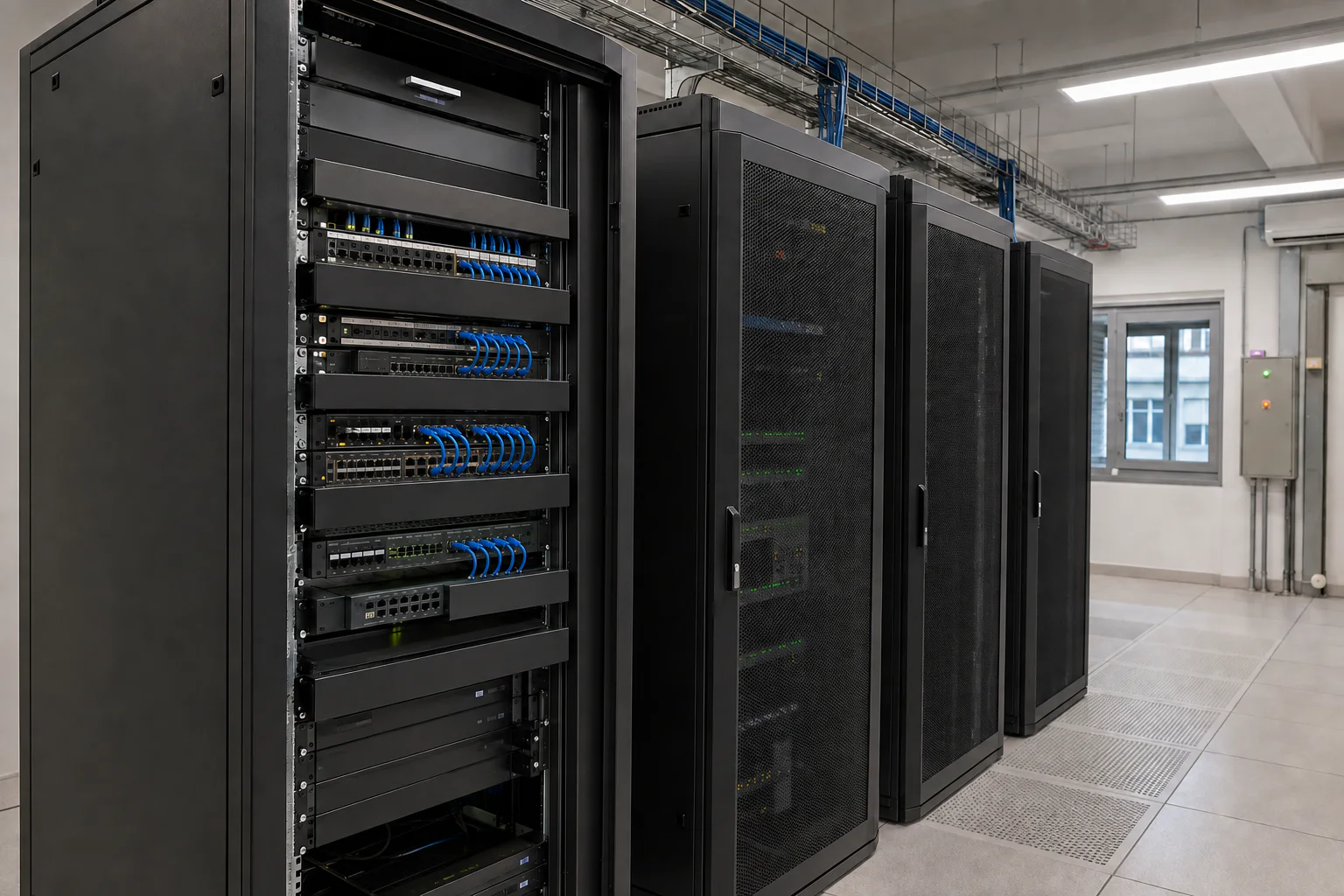
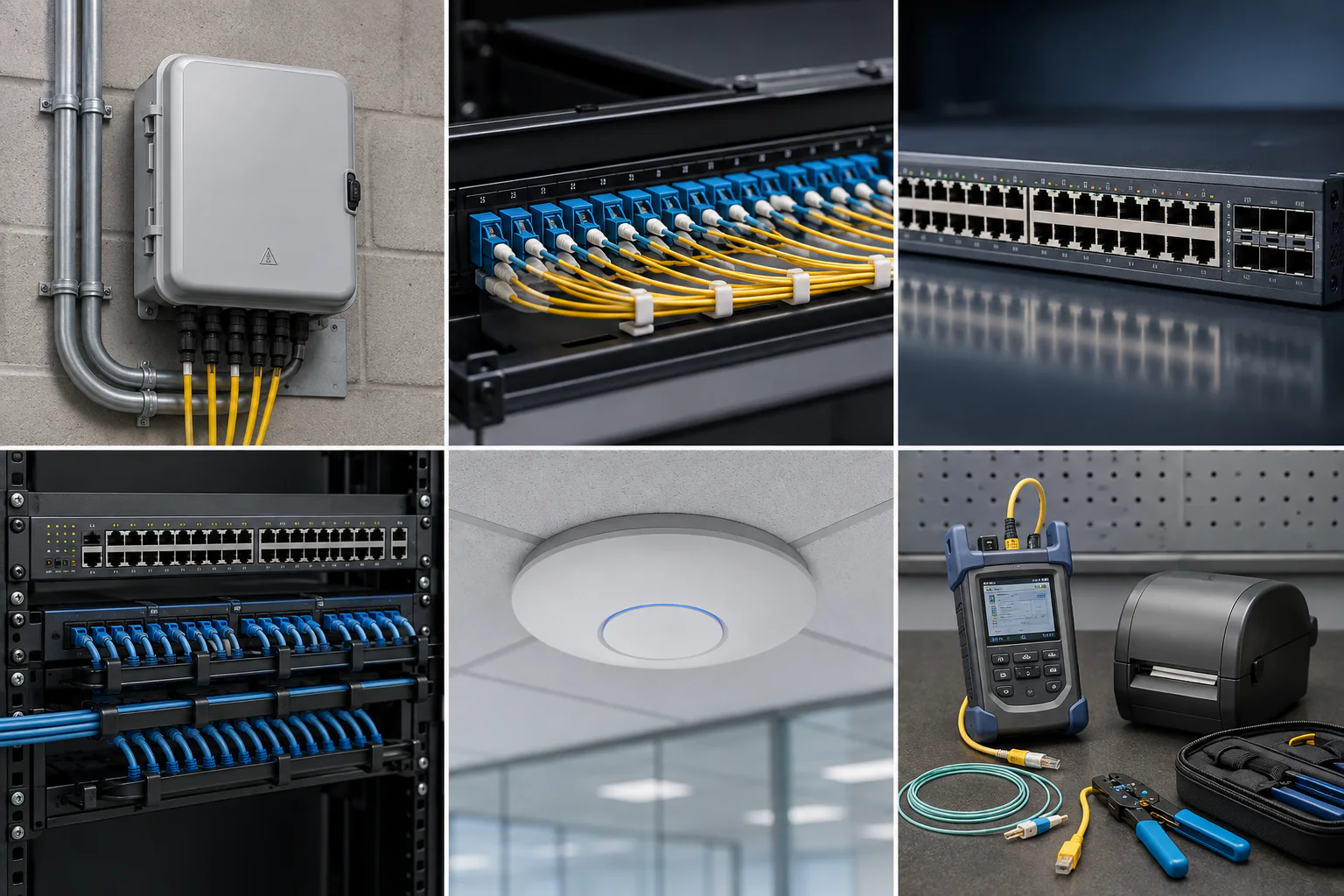
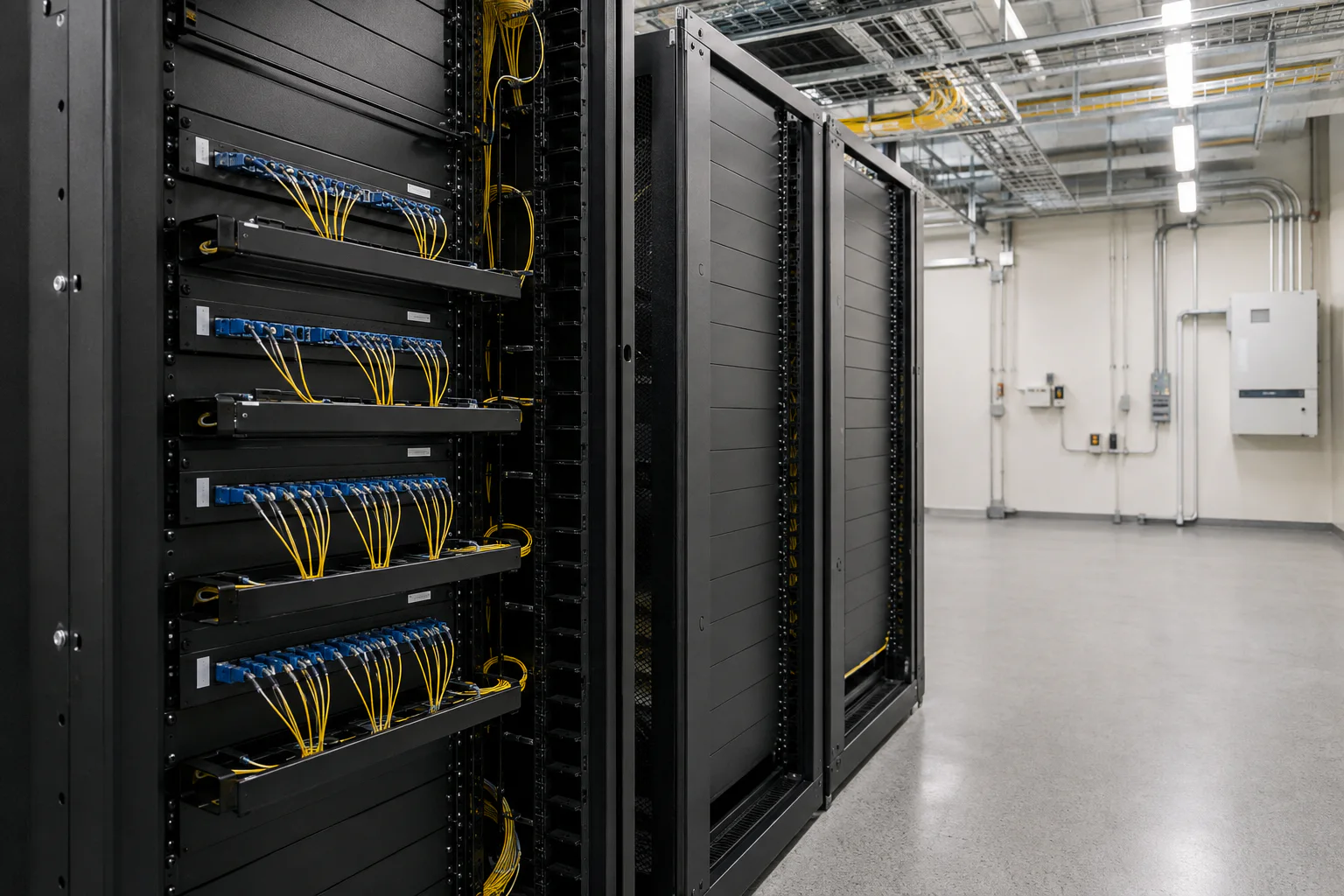
Work can cover cable pulling, fiber splicing, ODFs, patch panels, outlets, patch cords, labeling and rack organization. Fiber type, copper cable category, connectors and optical modules must match the link requirements. Length, core count and spare provision follow the design.
Testing beyond a link light
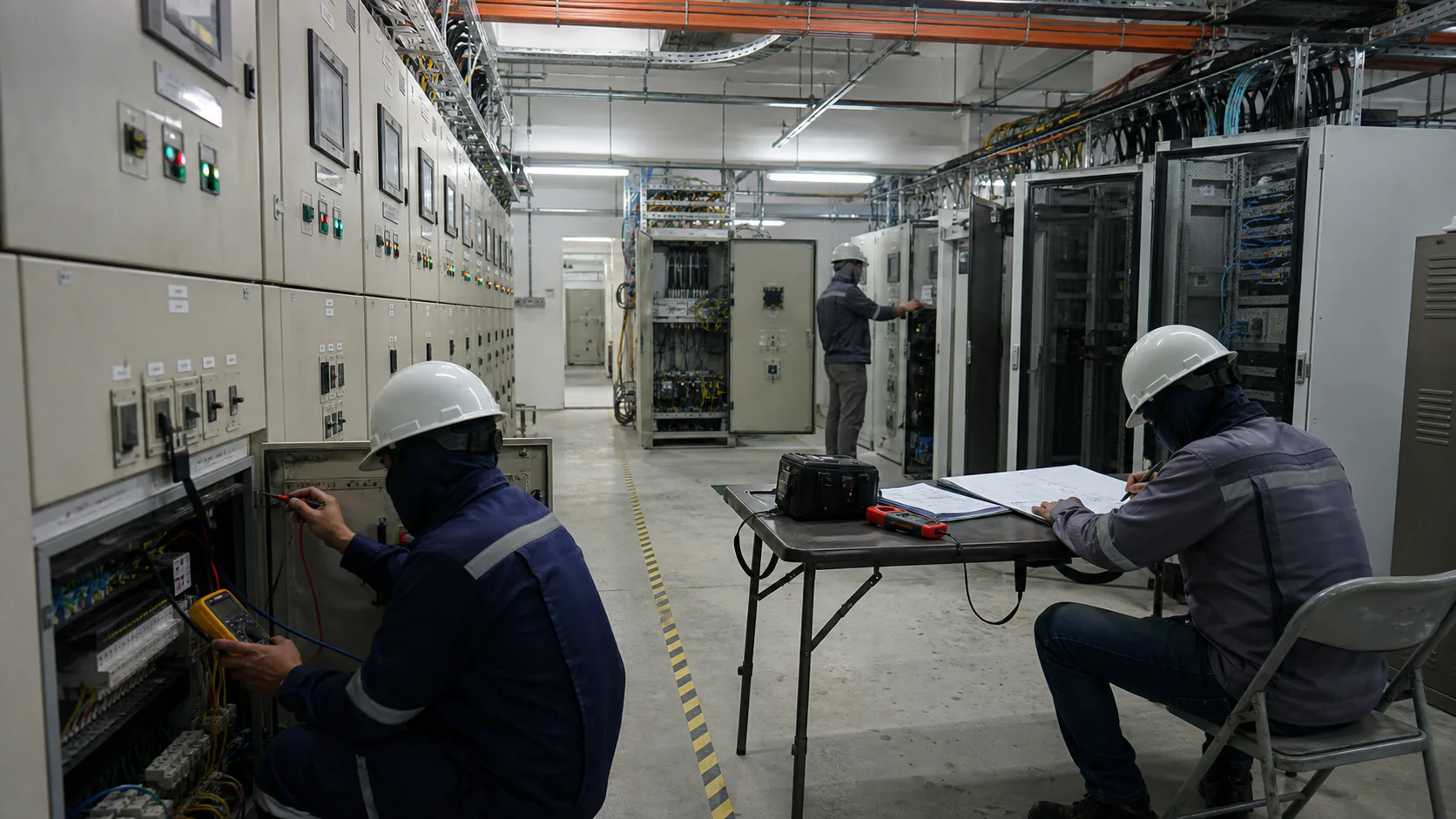
Agree test methods, limits, direction and report format before completion. Fiber loss measurement and event-location testing answer different questions; instruments follow the contracted scope. For copper cabling, distinguish wiremap checks, application qualification and link certification.
Records and route changes
Handover can include cable IDs, endpoints, route drawings, fiber allocations, test results and changes. Route deviations or failed tests are recorded for correction and retesting. Connecting to an operating network requires a schedule and the system owner's approval.
Quotation inputs
Share the Jakarta location, layout or route sketch, estimated points, rack areas and building condition. Height, concealed routes, night access and civil work affect cost. Surveyed quantities and exclusions should be confirmed before installation.
Questions before requesting service
Can fiber splicing be quoted as a separate scope?
Yes. Specify the location, fiber type, core count, joints, ODF or closures and required test results. Cable pulling, materials, site access and route reinstatement are not automatically included in a splicing rate.
Is fiber installation priced per metre or per core?
Cable pulling may be measured by length, while splicing and termination may be measured by cores or termination points. Compare the same measurement rules, materials, route conditions, working heights and tests. Survey and design establish the final quantities.
Does a working optical link mean testing is complete?
No. Acceptance methods and limits must be agreed. Continuity checks, loss measurements and OTDR testing, when included, serve different purposes. Reports should identify the cable, core, measurement direction and agreed test method.