
Structured cabling, fiber, LAN, and WiFi—one network path, six system boundaries to close.
One delivery path for structured cabling, fiber backbones, switching, enterprise WiFi, testing, documentation, and maintenance.
Every node needs a clear upstream, downstream, and responsibility boundary.
The path is planned as one system—from the carrier interface to user access, records, and ongoing maintenance.
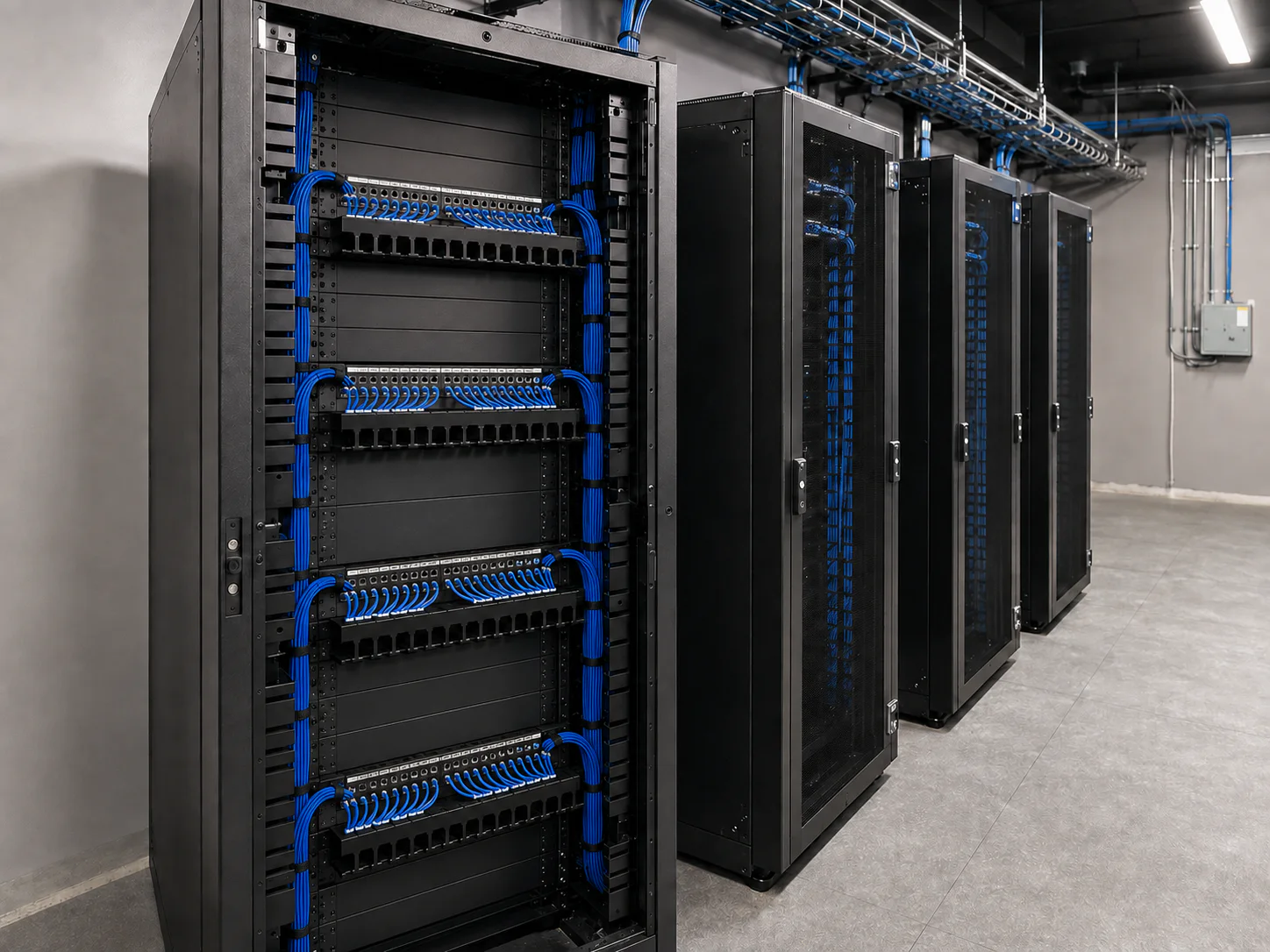
Maintainability starts with ports, routes, and labels.
Order is not decoration. A rack must help the team trace a path, diagnose a fault, replace equipment, and add capacity without guesswork.
From survey to retest, the work does not end at the first successful connection.
Performance conclusions must come from the real operating environment.
Bandwidth, coverage, capacity, interference, security, and roaming cannot be concluded from a product sheet alone. Final results depend on the survey, approved design, endpoint conditions, test method, and contracted scope.
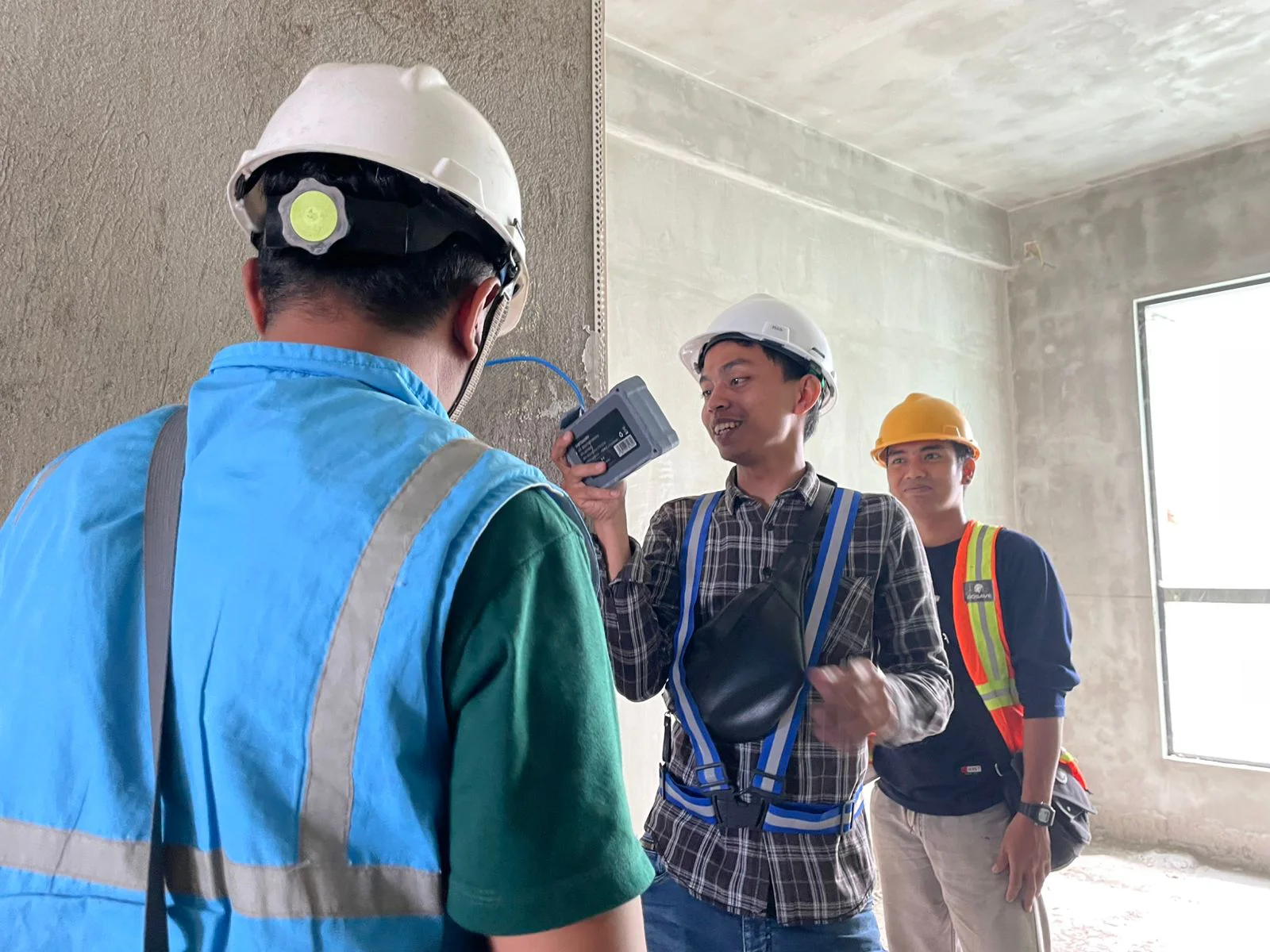
See how network scope was applied across selected assignments.
Cases are presented without customer names, project values, precise locations, or internal network parameters.
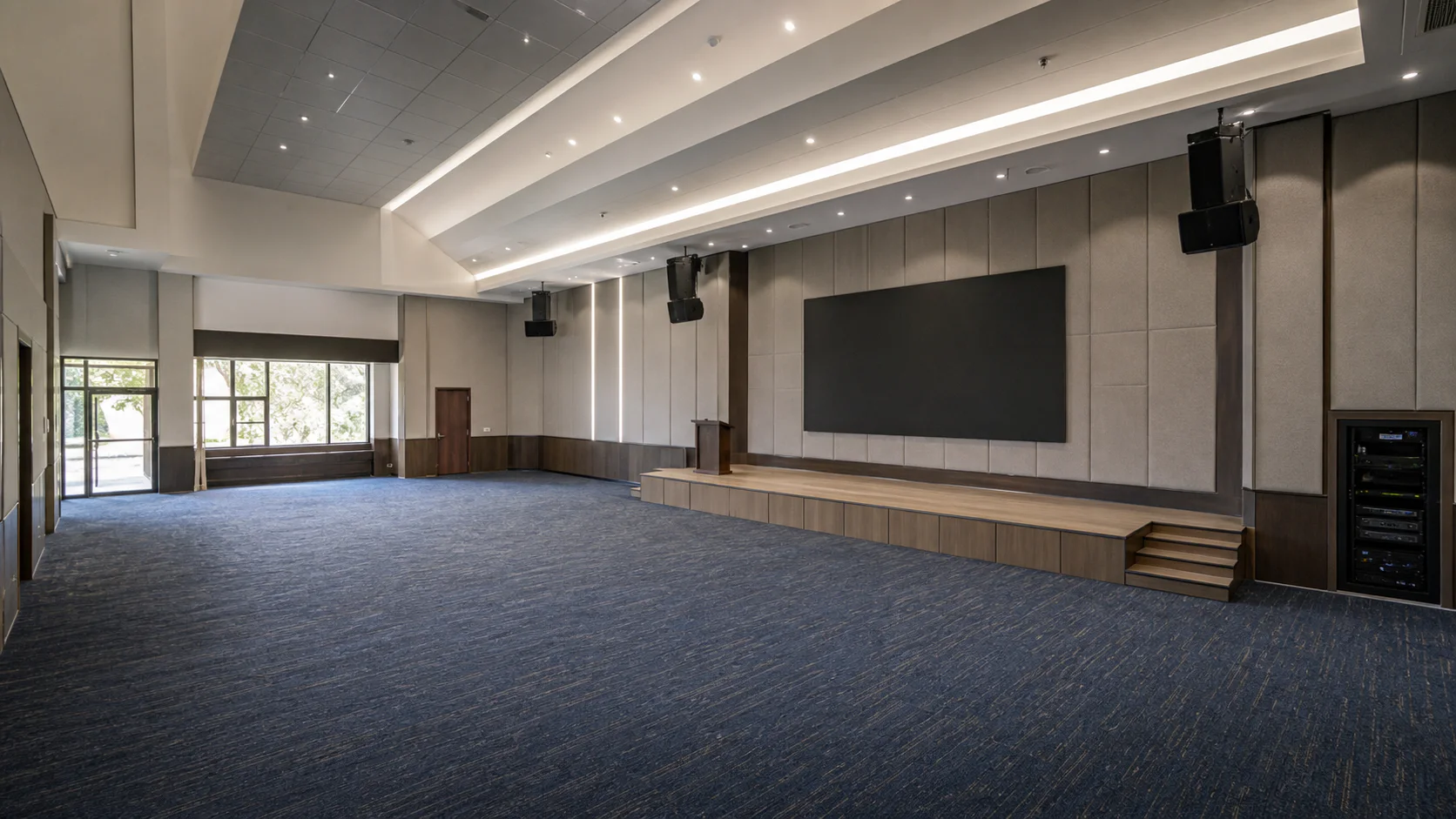
Industrial Wireless Network and Meeting System Integration
Wireless network and meeting system integration for an industrial facility, covering supply, testing, installation checks, handover, and operational support.
Read more →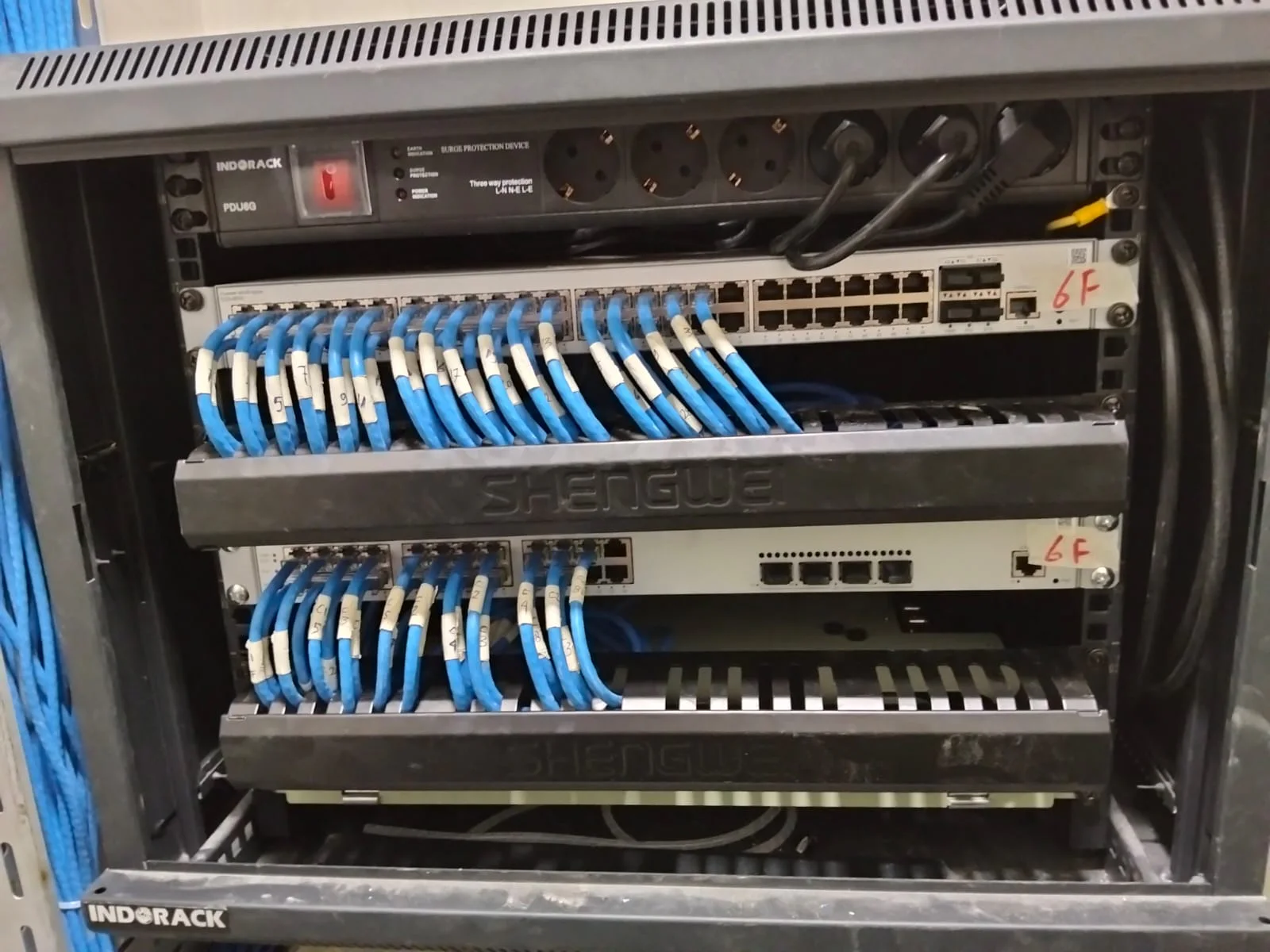
Factory Office Network Upgrade
A factory office network upgrade covering equipment supply, installation, commissioning, testing, and handover.
Read more →Start with the site, applications, and operating target.
Share the facility type, general area, project stage, network condition, and target timing through a GTI contact channel.