Build a load schedule
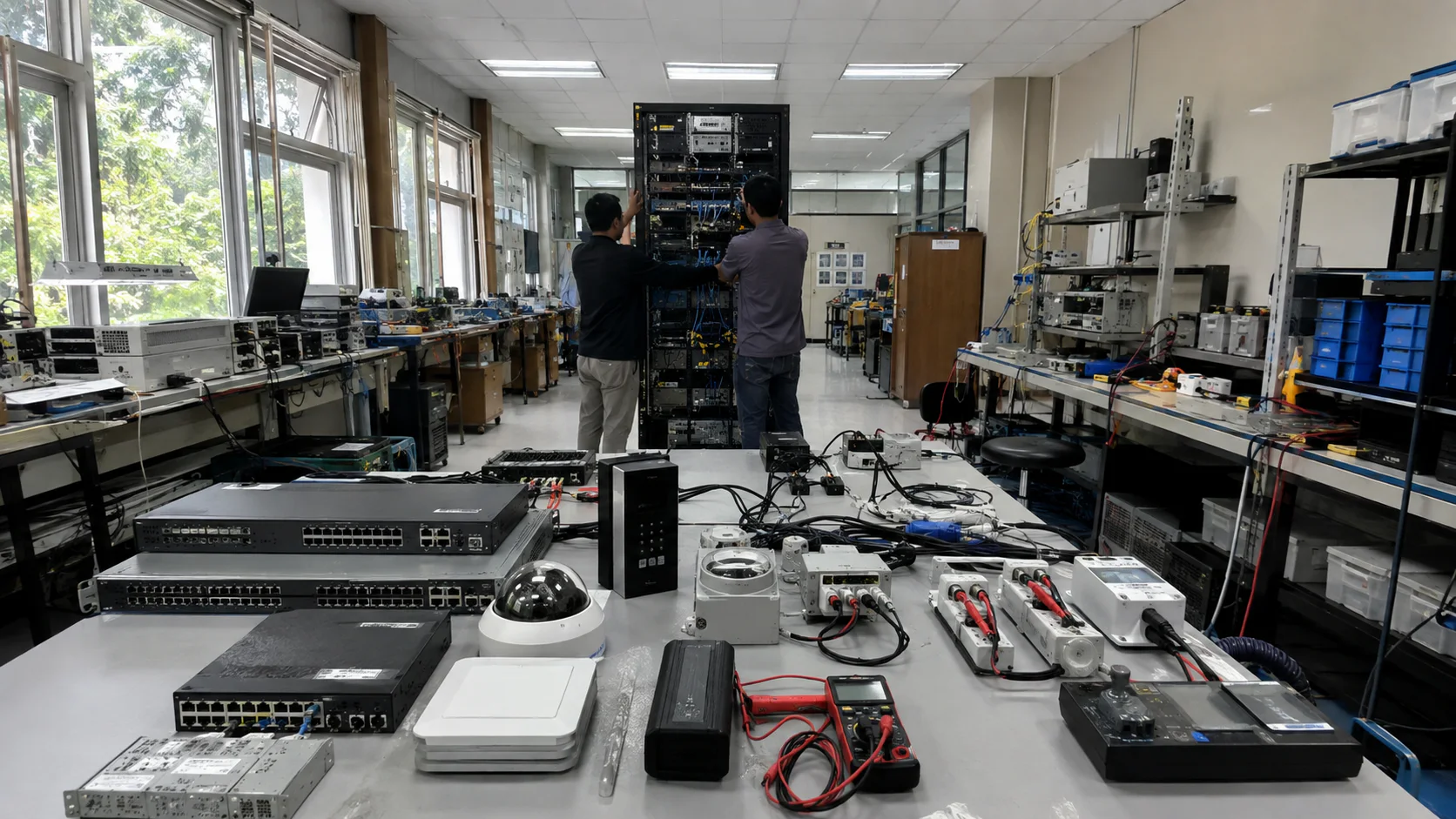
List each camera, AP or other powered device with its model and manufacturer-stated demand. Check operating modes that need extra power and genuinely planned expansion. Do not mix typical consumption with maximum requirements without recording the assumptions.
Check two different limits
Per-port capability and the switch's total PoE budget are separate checks. Cisco's guide shows that budget depends on platform and power supply; its model-specific values do not apply to every switch. Confirm the PSU configuration, port priorities and endpoint demand for the actual purchase model.
Beyond the power budget
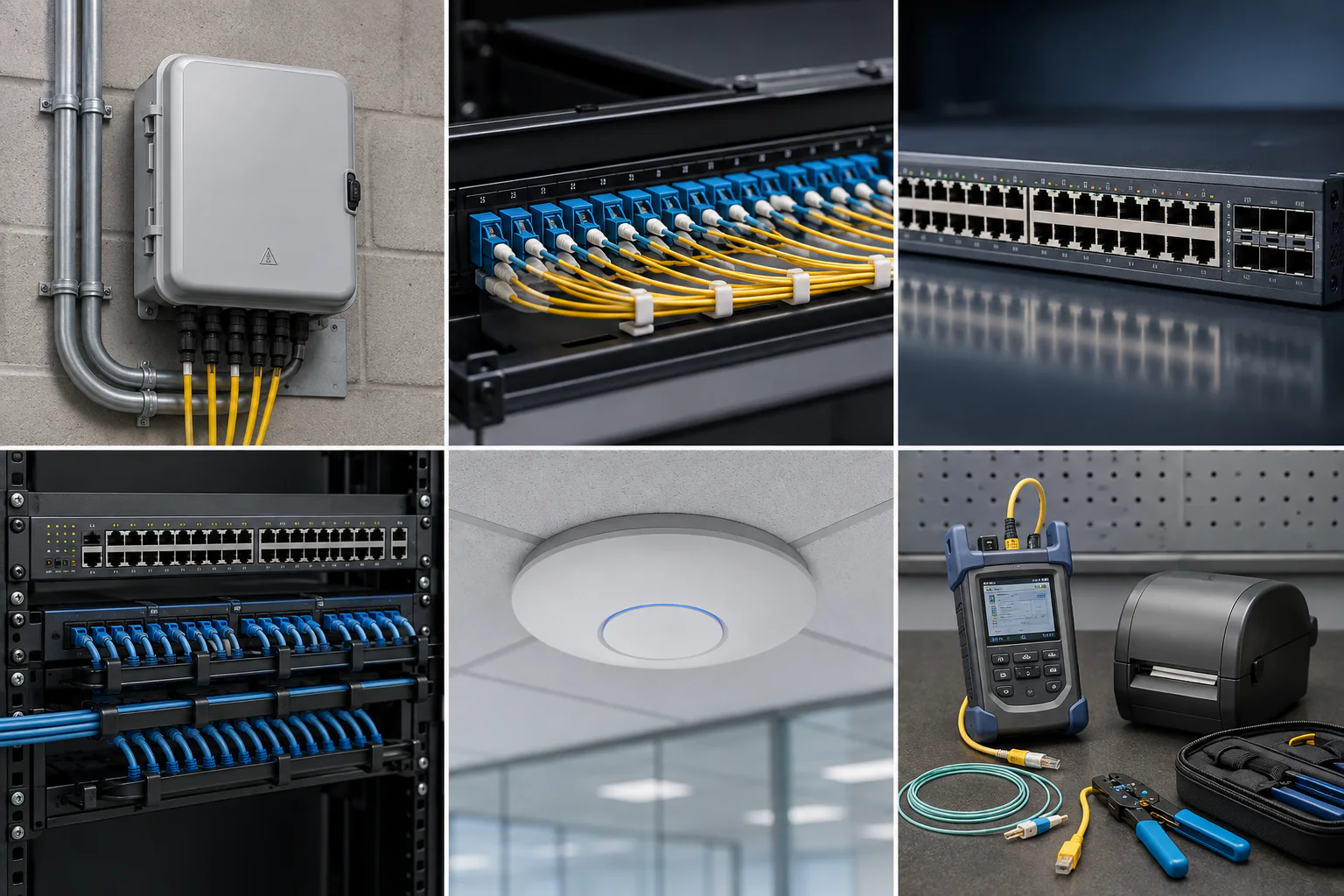
Check uplinks, optical modules, usable ports, management functions and licenses. A factory cabinet may have different heat, dust and service access from an air-conditioned office. The word industrial is insufficient: compare the installation with the actual datasheet and installation limits.
Decision and verification
Compare the complete configuration, accessories, technical references, assumptions, and items requiring confirmation. Where demand approaches limits or equipment spans multiple brands, agree testing before purchase. Use current manufacturer specifications for the selected models and configurations.
Worked power budget: 12 cameras and 4 APs
This hypothetical example uses power allocated at the switch output, not typical endpoint consumption: 12 camera ports × 10 W + 4 AP ports × 25 W = 220 W. If the switch has a genuinely available PoE budget of 250 W, the arithmetic remainder is 30 W.
The 10 W and 25 W values are assumptions, not model specifications. This calculation does not establish suitability: check each port, power negotiation, cabling, startup demand, PSU, temperature and expansion. Endpoint consumption and switch allocation must not be treated as identical without accounting for the difference.
A load schedule for a quotation
- Models and quantities of powered devices.
- Required power and whether it is measured at the endpoint or switch.
- Simultaneous ports, uplinks and agreed expansion.
- Cabinet conditions, power source and PSU configuration.
- Required tests and the supply and installation boundaries.
Technical references
- Publisher
- PT GLOBAL TEHNOLOGI INDONESIA
- Published
- References updated
This guide draws on manufacturer technical documentation for initial planning. Example calculations are not site measurements; apply them to the equipment and conditions of your project.