
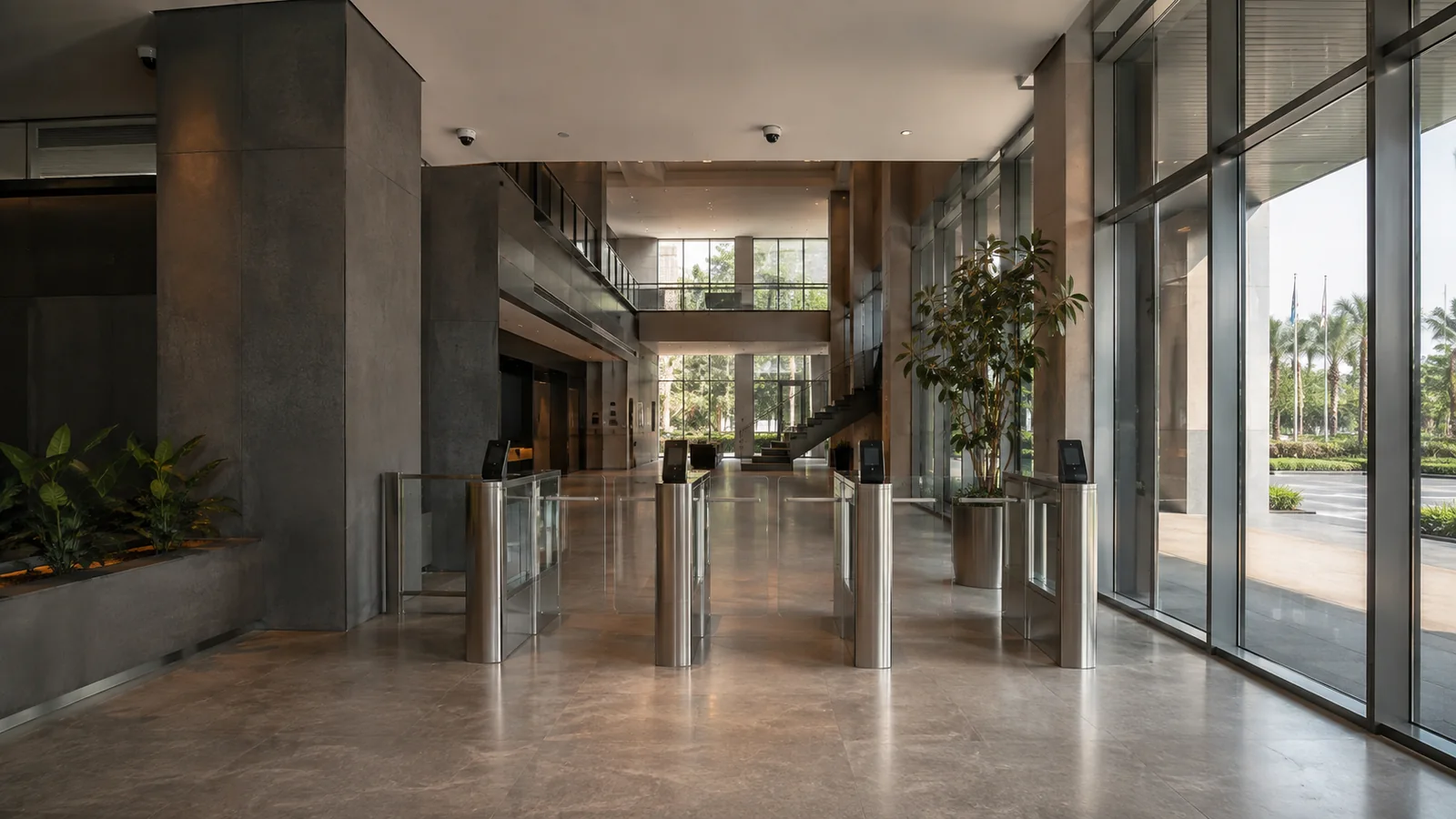
PERIMETERPerimeter & alarms
GTI integrates factory CCTV, LAN, fiber, WiFi and ELV systems throughout Indonesia. Surveys, design, equipment supply, installation and testing follow the agreed project scope, with Mandarin technical coordination available.
These links describe separate projects. Each case explains its own delivery scope and project stage.
PT GLOBAL TEHNOLOGI INDONESIA (GTI) is an ICT and ELV system integrator for factory network infrastructure and low-voltage systems in Indonesia. Projects can combine networks, fiber, LAN, WiFi, CCTV, access control, vehicle access, public address, meeting systems, server rooms and BMS interfaces. Services may include surveys, design, supply, installation, configuration, testing, handover records and maintenance. The modules, responsibilities and test criteria are agreed through site surveys, detailed design and the contract.
Updated:
GTI plans the system combination around facility type, production processes, area risks, existing conditions, interfaces, and target timing. Not every project needs the same system combination; select it around production and operating requirements.
Bandwidth, coverage, points, capacity, equipment models, installation methods, and test standards remain subject to survey, detailed design, and contract confirmation.
Building distances, production environments, people and vehicle flows, and work conditions inform system selection, routes, and installation plans.
Coordinate the perimeter, entrances, production, offices, logistics, and server room. System connections and responsibilities follow the site's requirements.
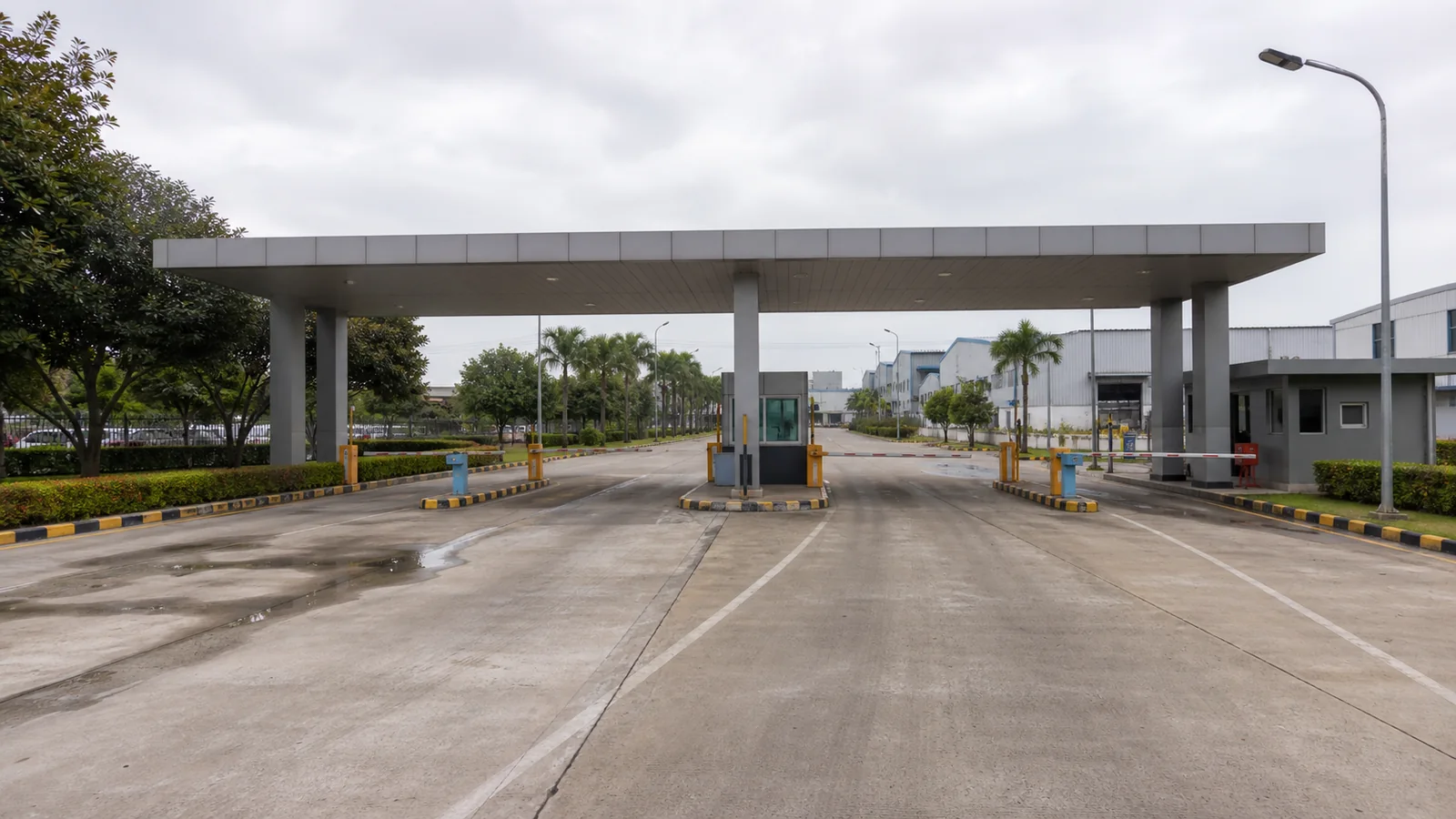
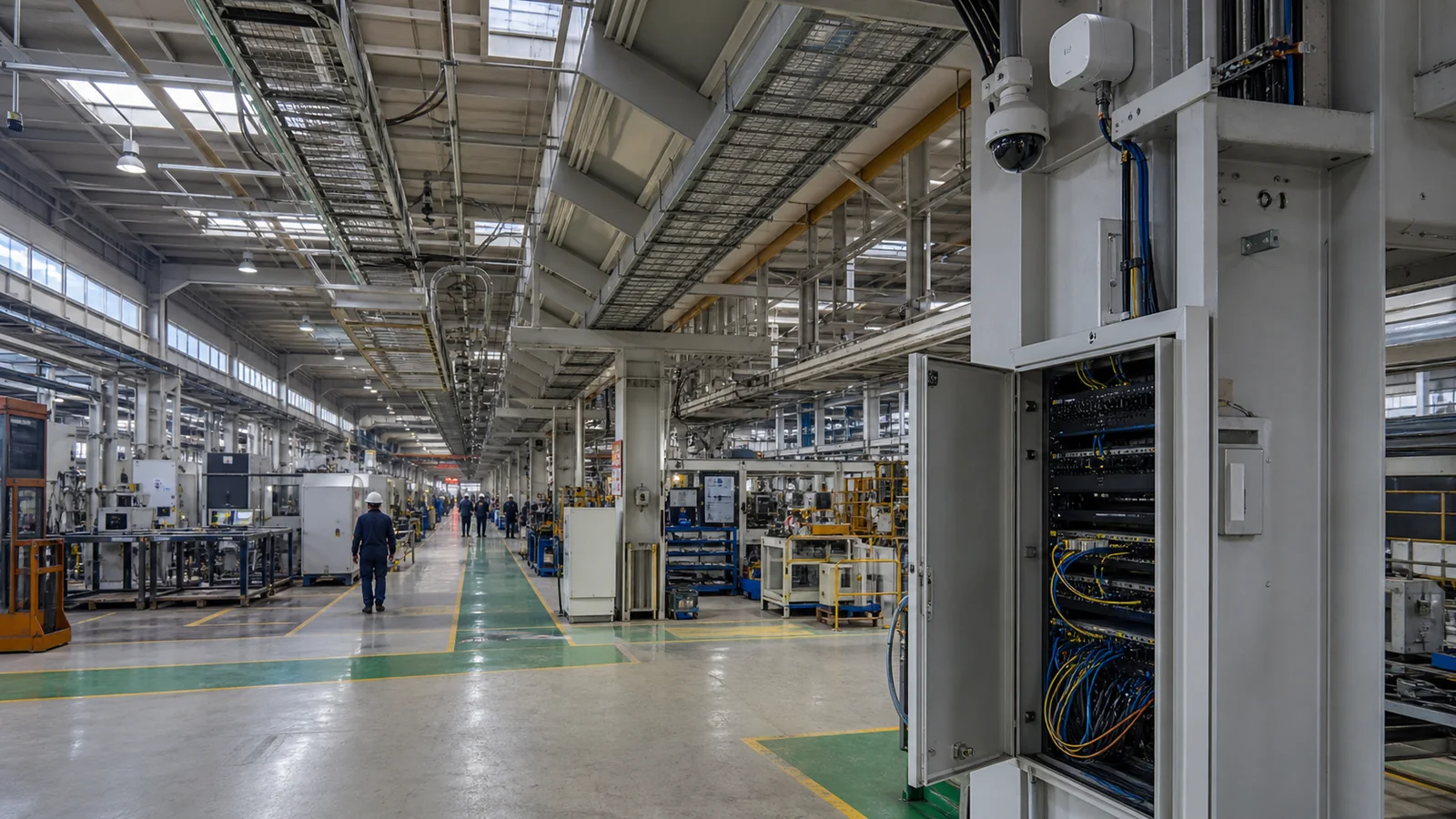
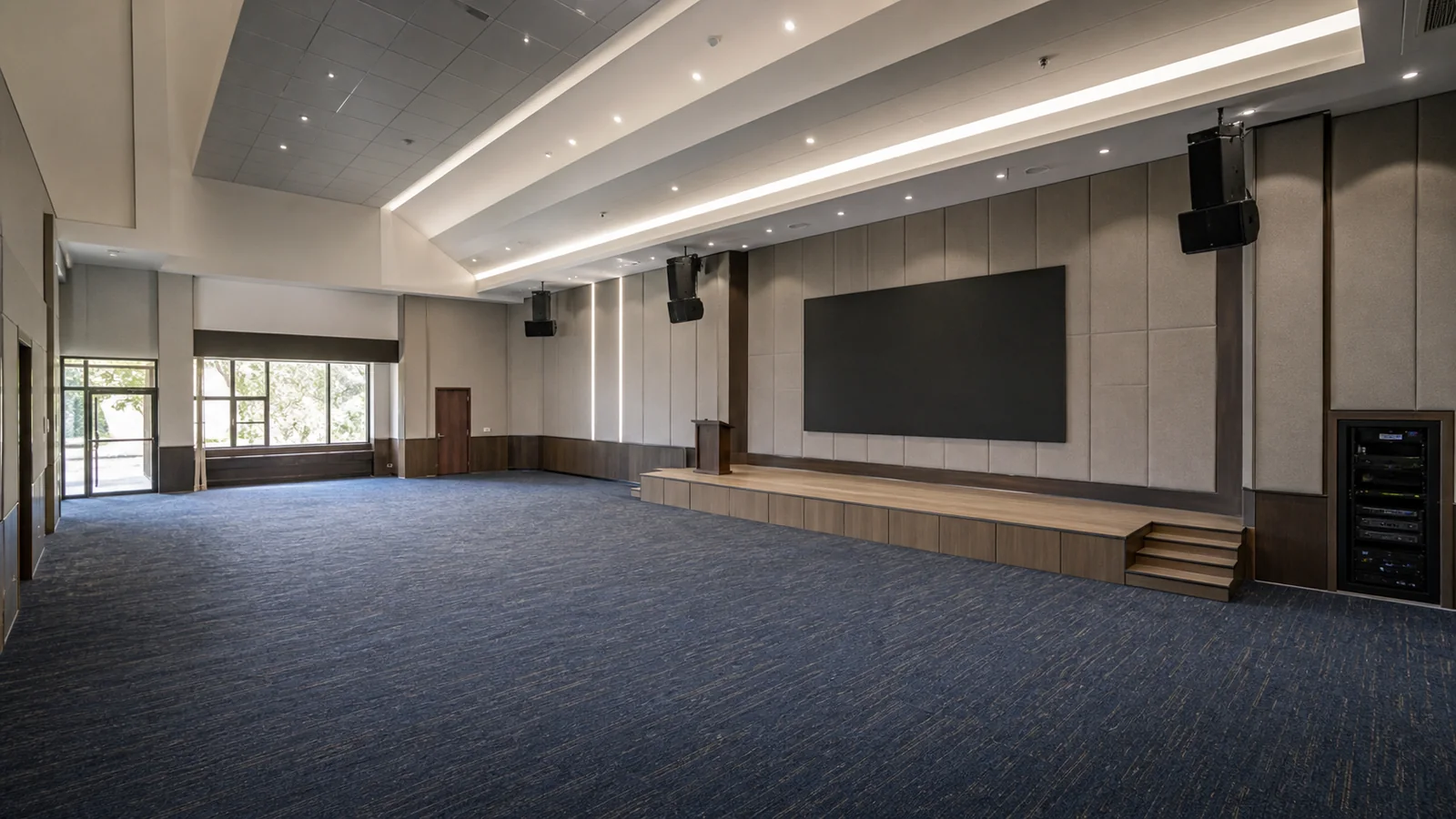
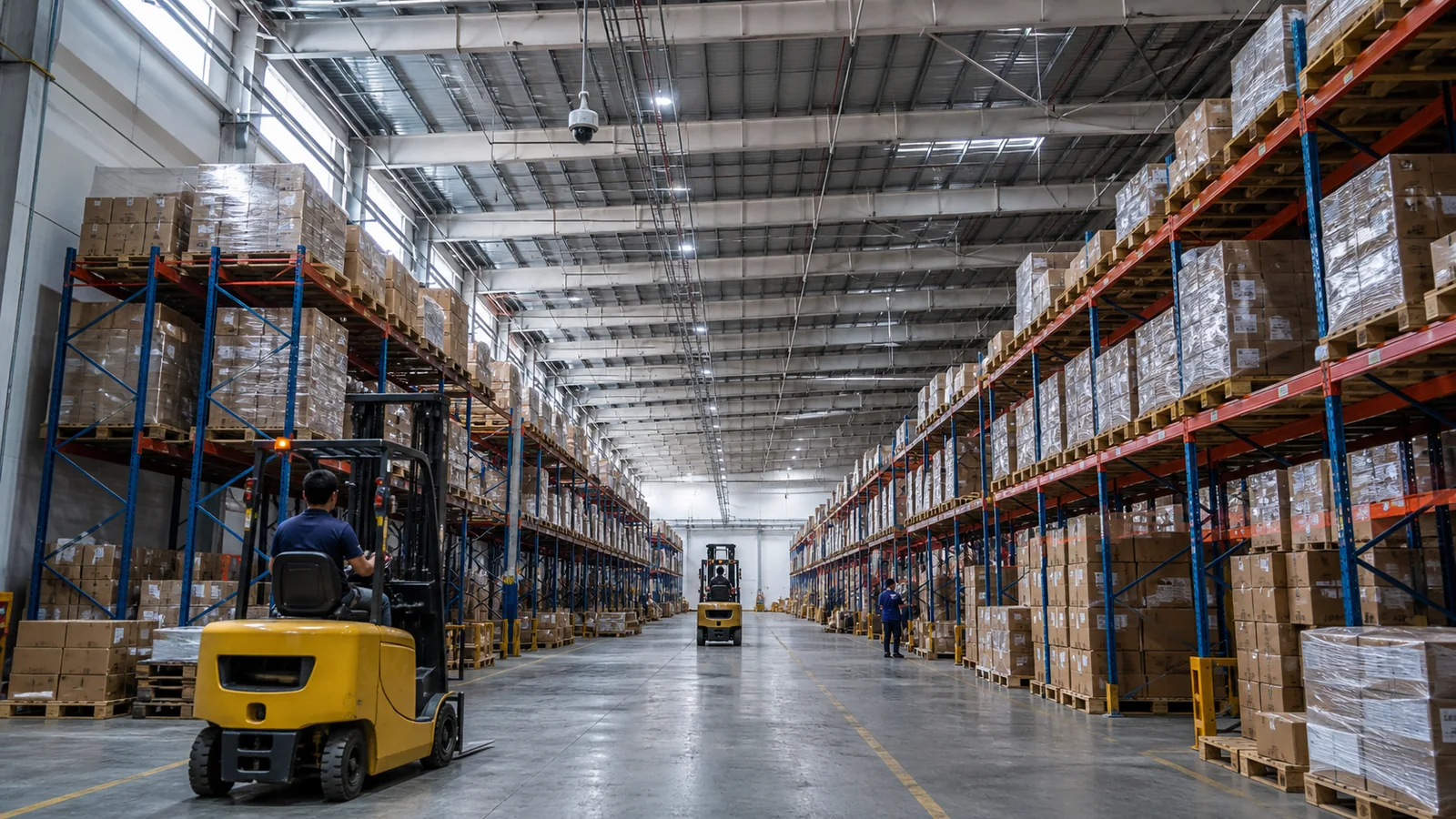
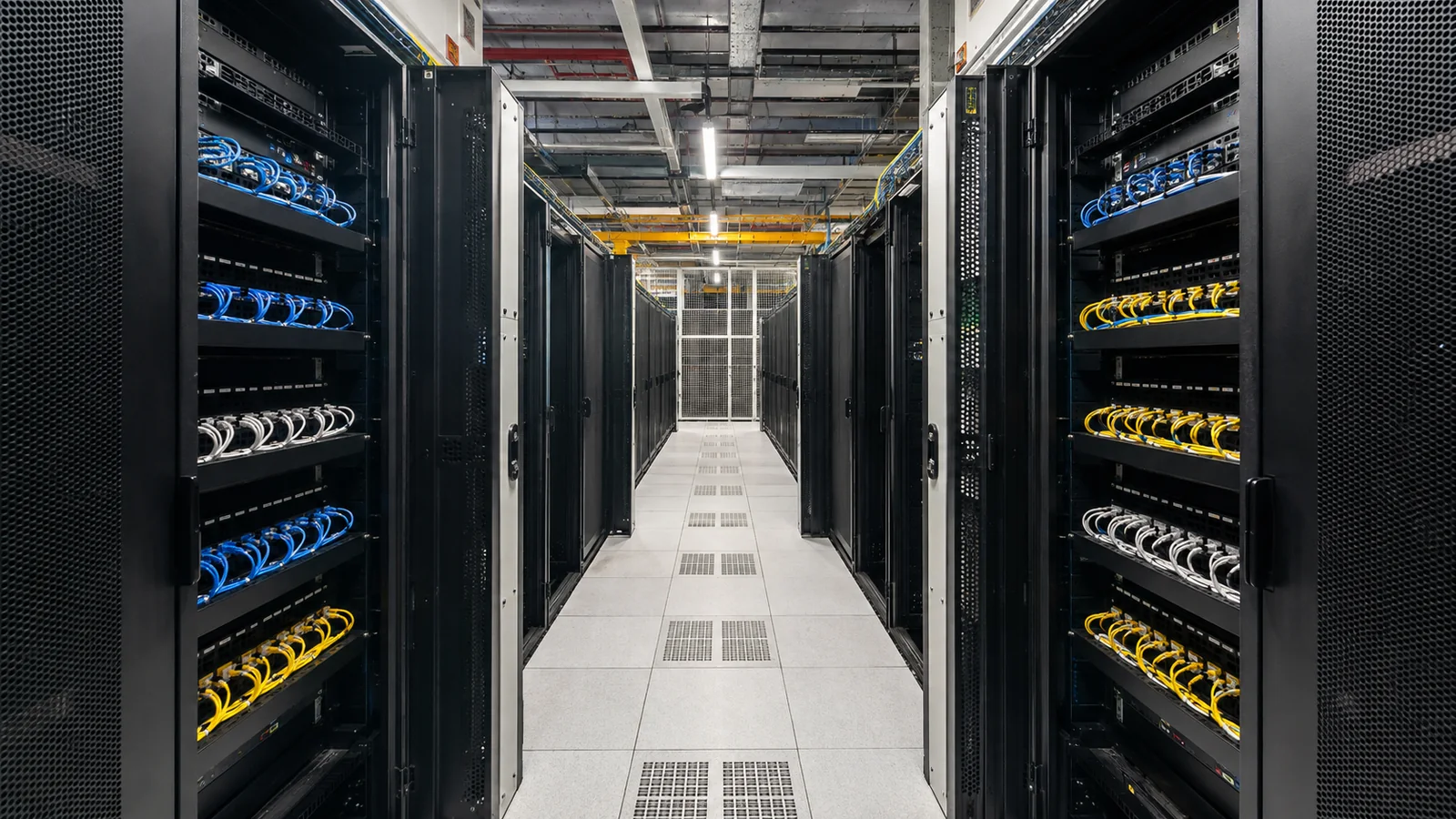
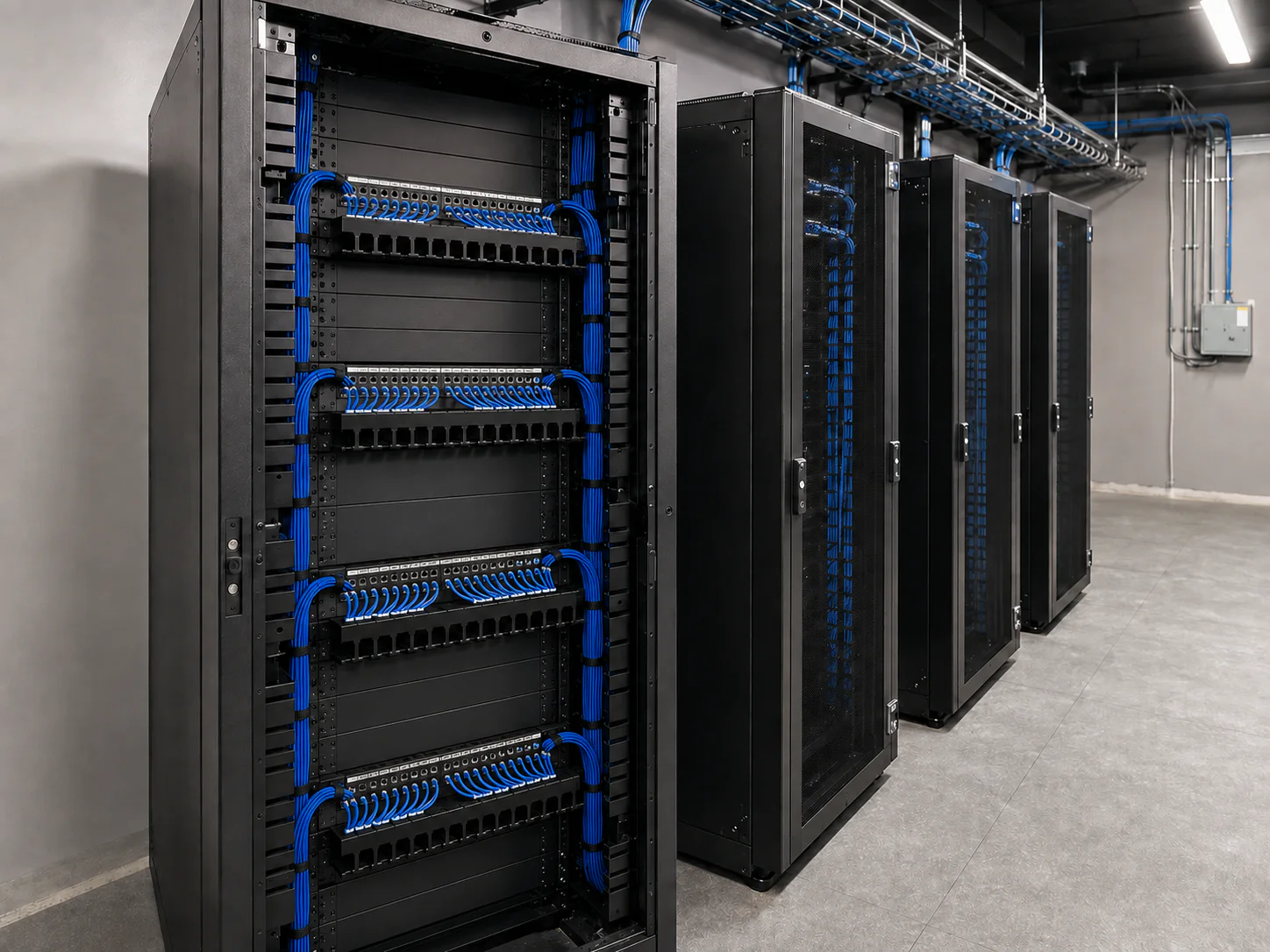
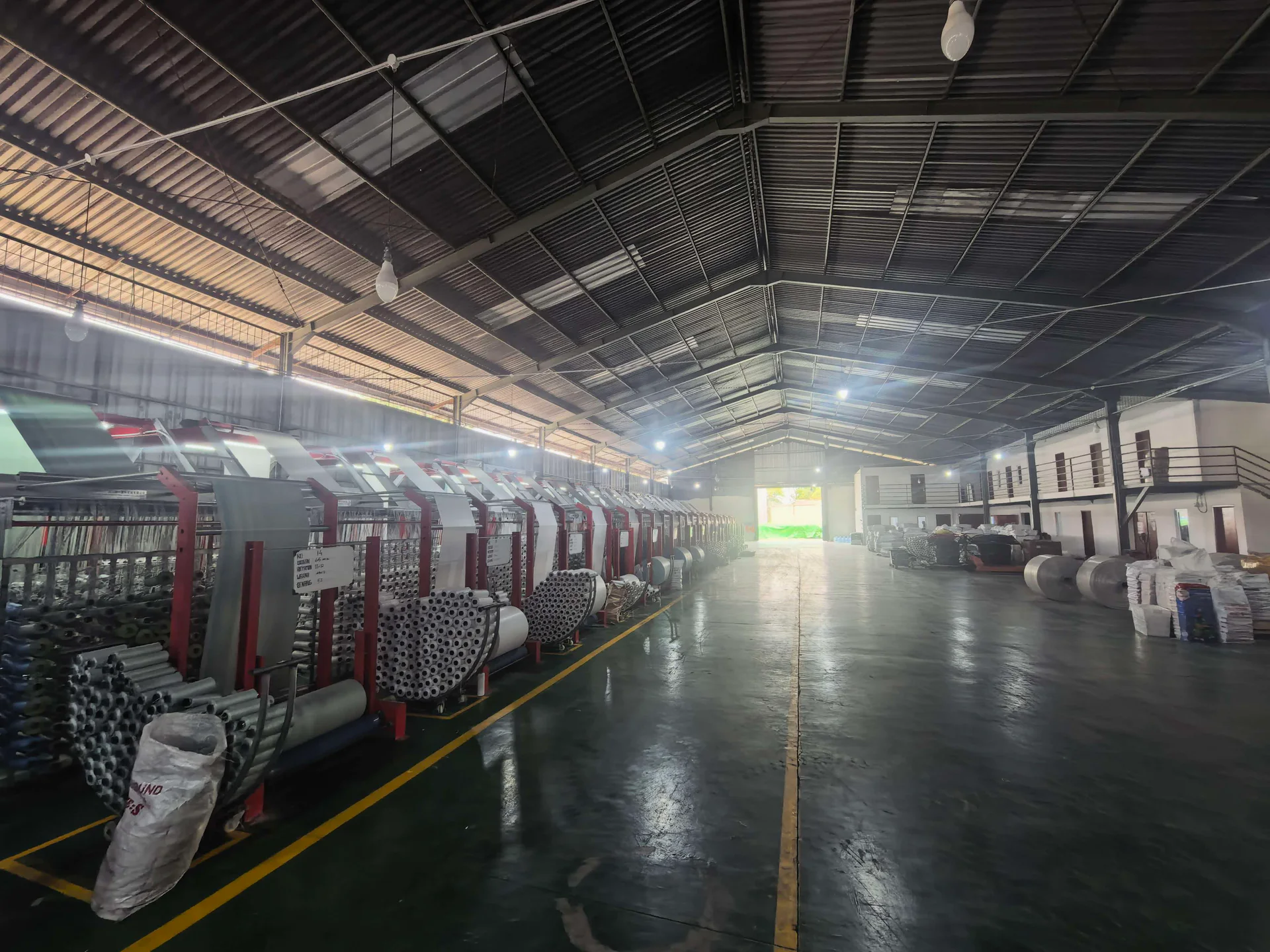
Each area has different flows, risks, interfaces, and operating needs.
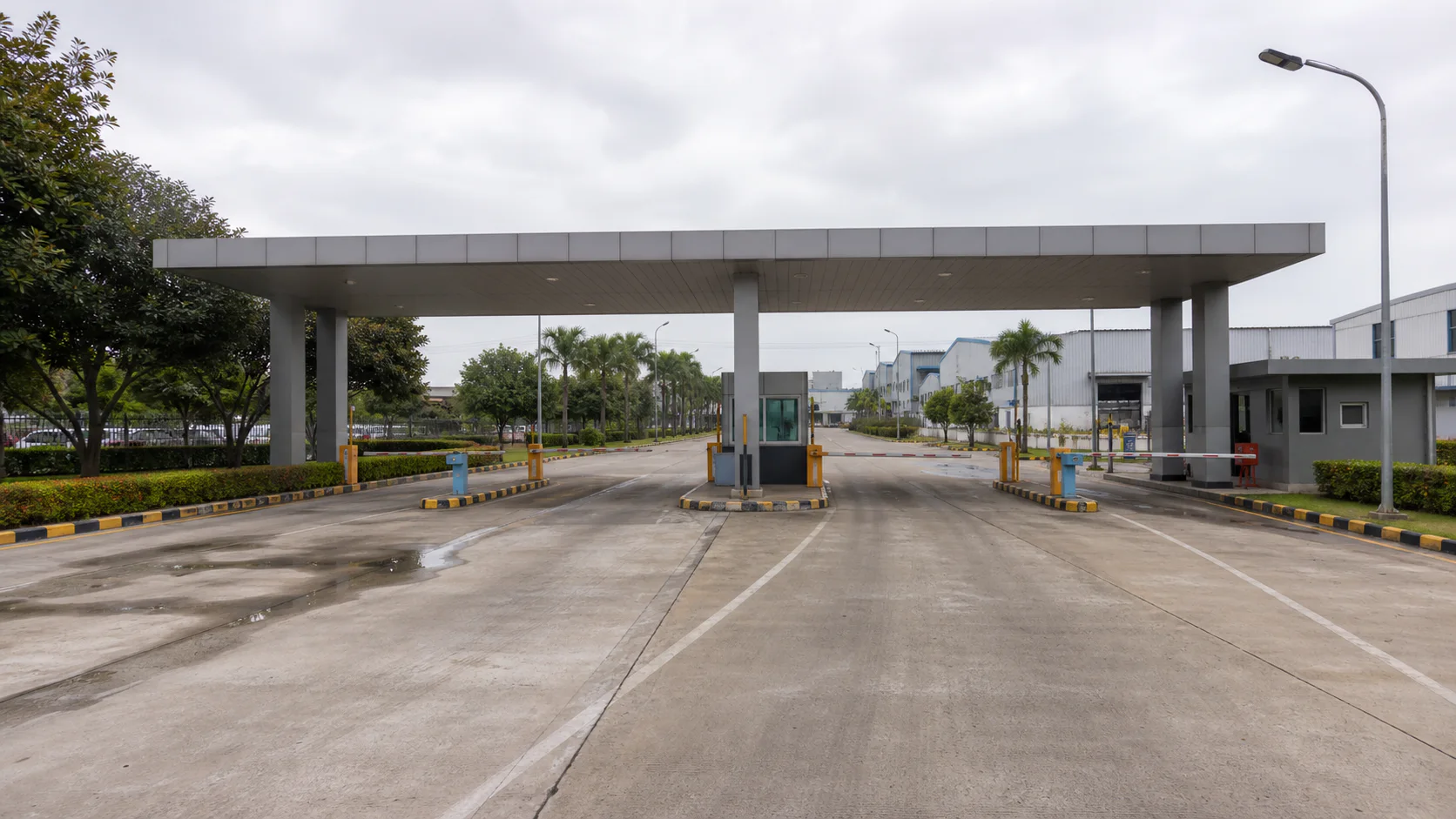
Rules for people, visitors, vehicles, video, and alarms need to be defined together.
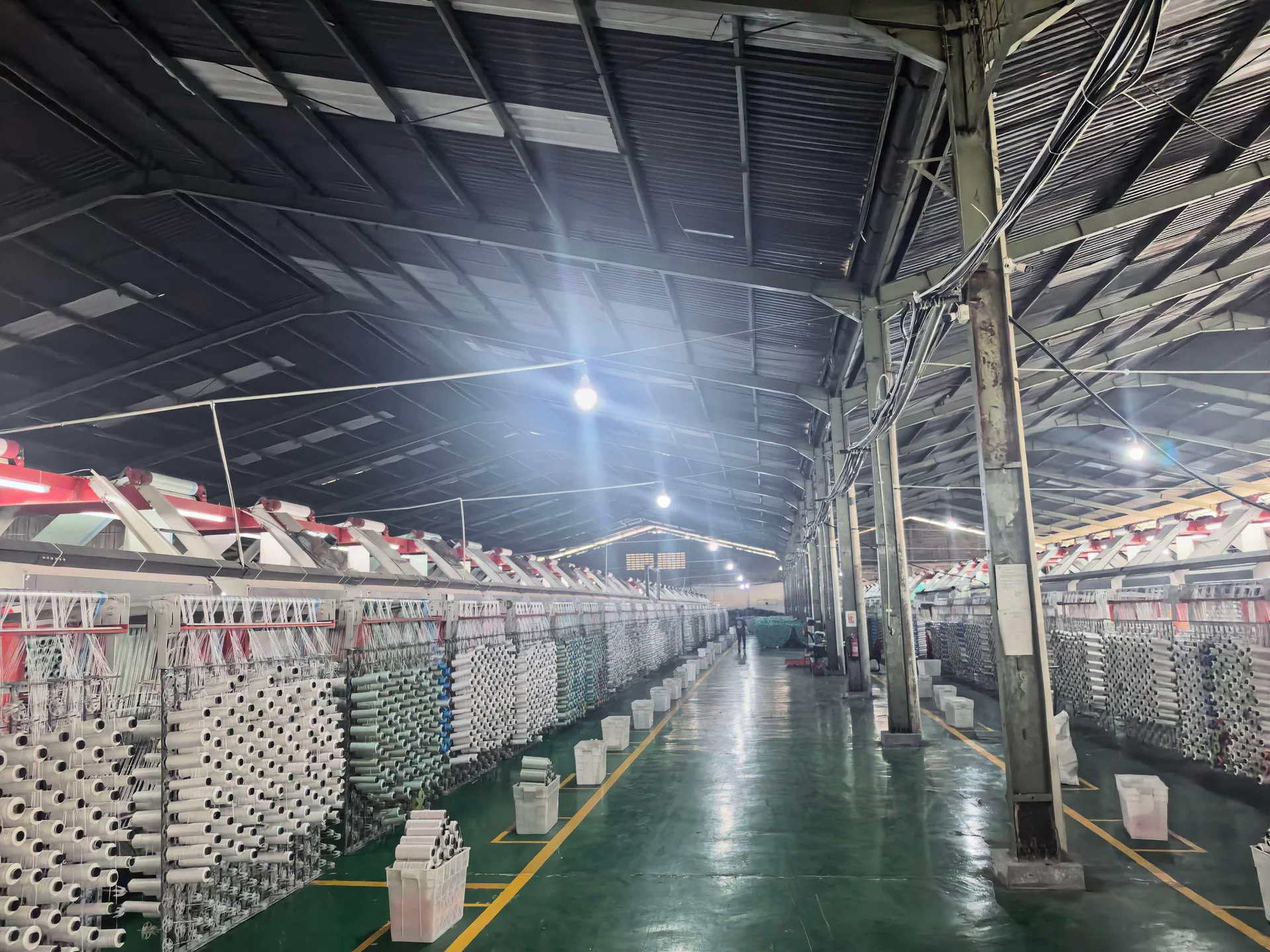
Distances, interference, installation conditions, and production windows shape the solution.
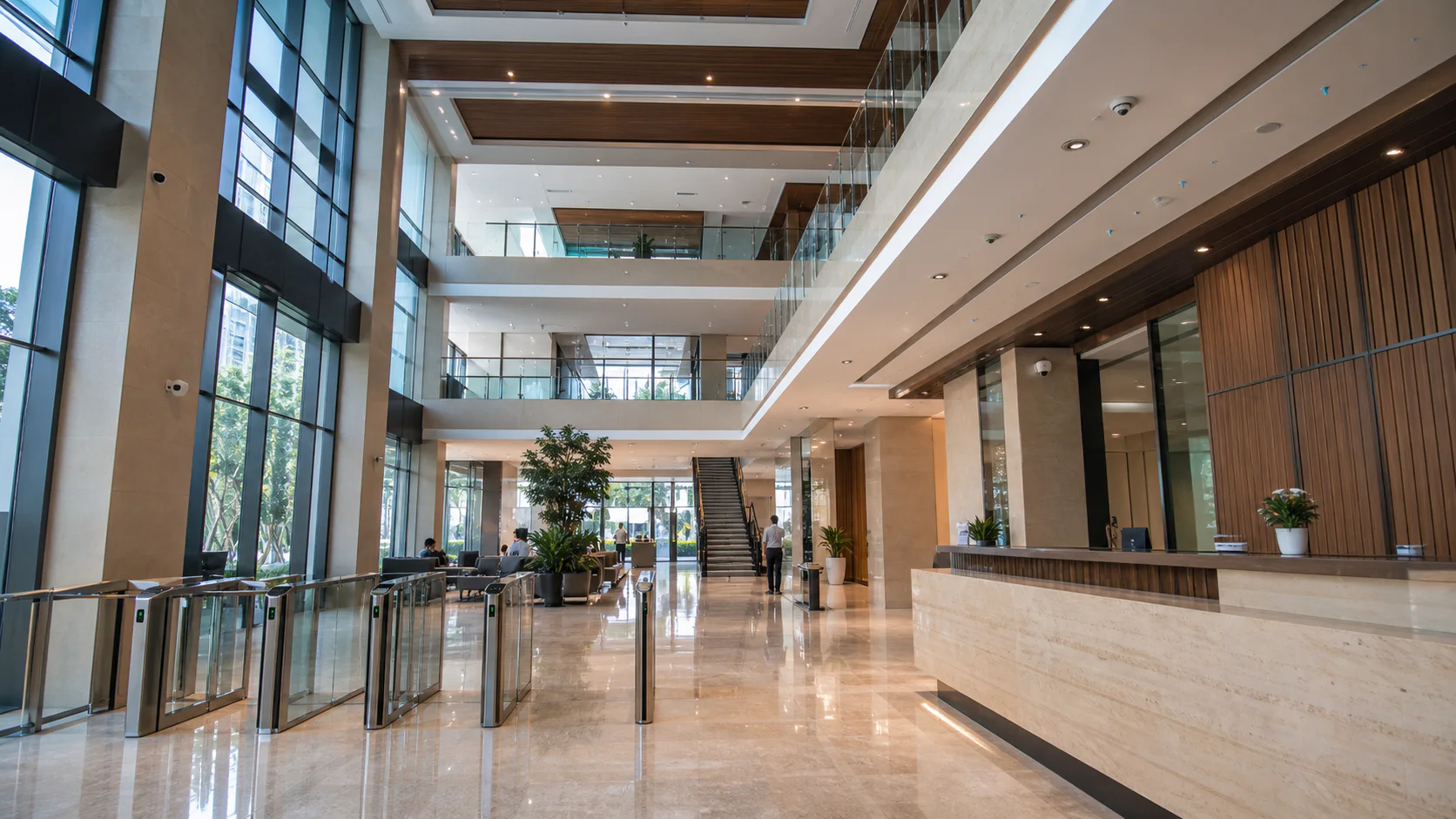
Networks, meetings, access, and information displays are organized around work processes.
Vehicles, racks, aisles, and continuous work affect coverage and device positions.
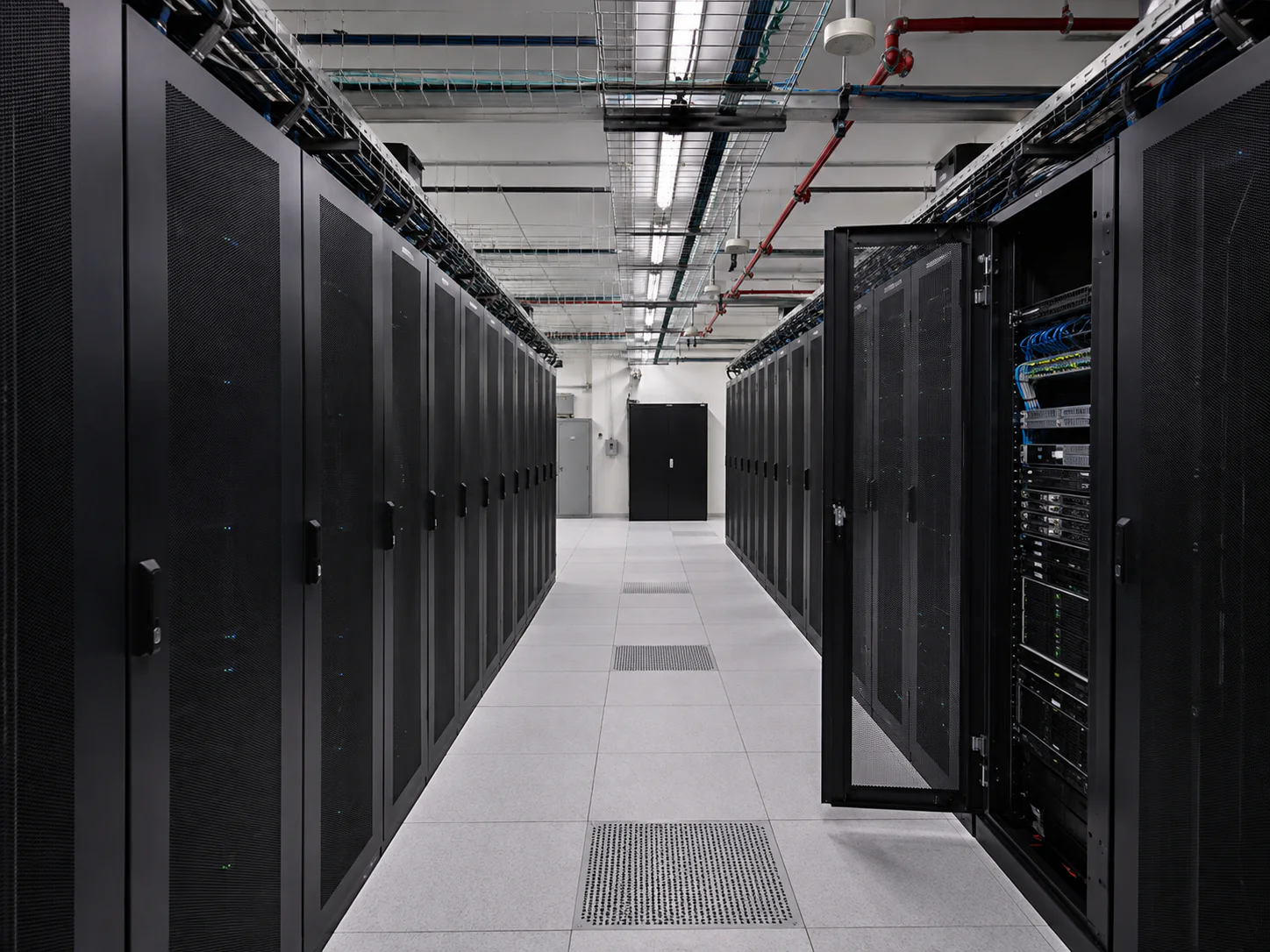
Racks, networks, power, cooling, monitoring, and documentation need coordinated planning.
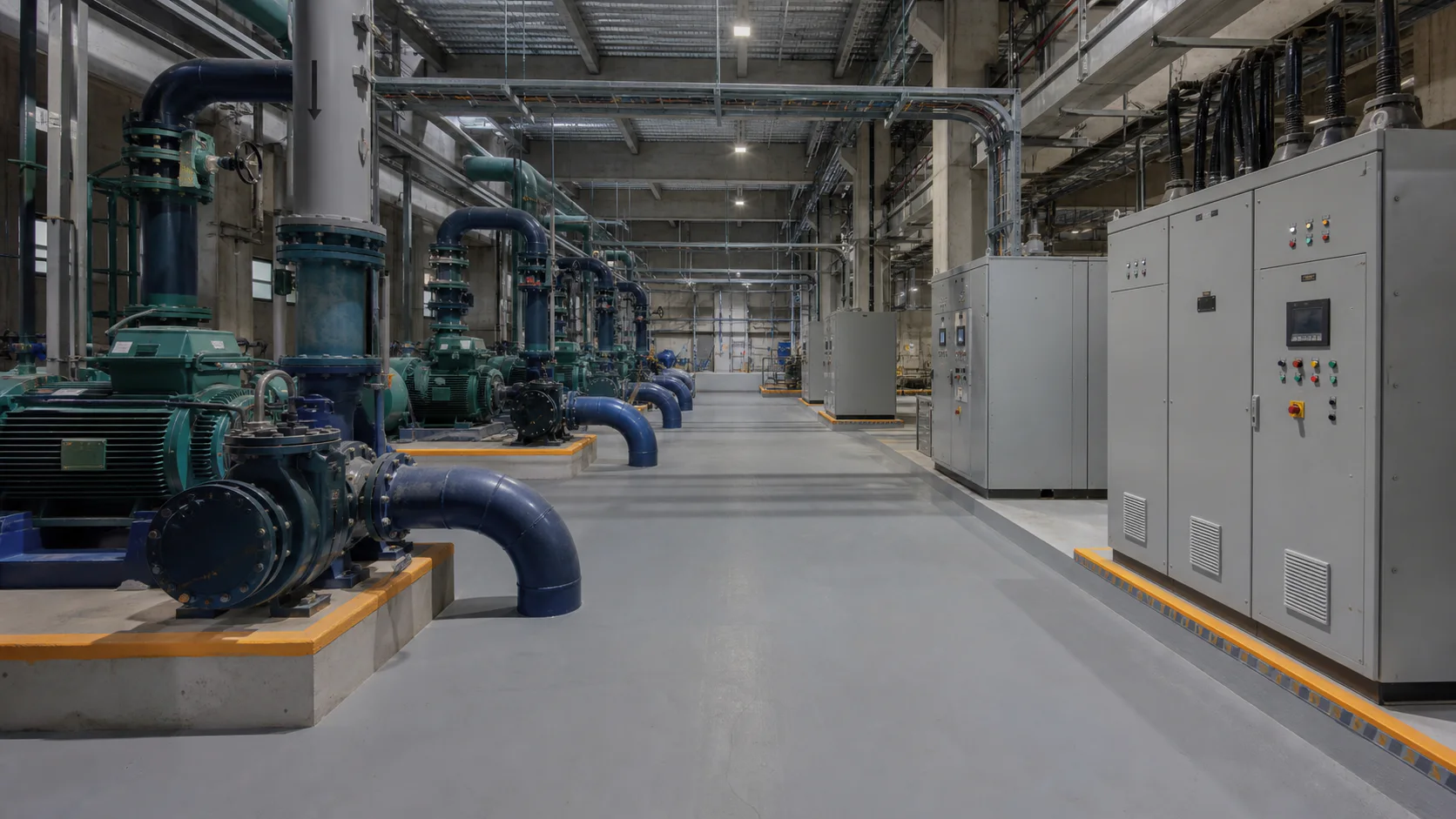
Vehicle flows, utility systems, and BMS interfaces need clear boundaries.
GTI scope, third-party interfaces, owner-provided conditions, and test standards are confirmed before implementation.
A traceable transmission path from entry to core, access, and endpoints.
Points and platforms are organized around risk, areas, and incident handling.
Access rules align with safety, operations, and exception flows.
Production notices, office collaboration, information, and emergency scenarios are coordinated.
Equipment, power, cooling, environment, and automation interfaces have clear boundaries.
Labels, results, exceptions, changes, retests, and expansion remain reviewable.
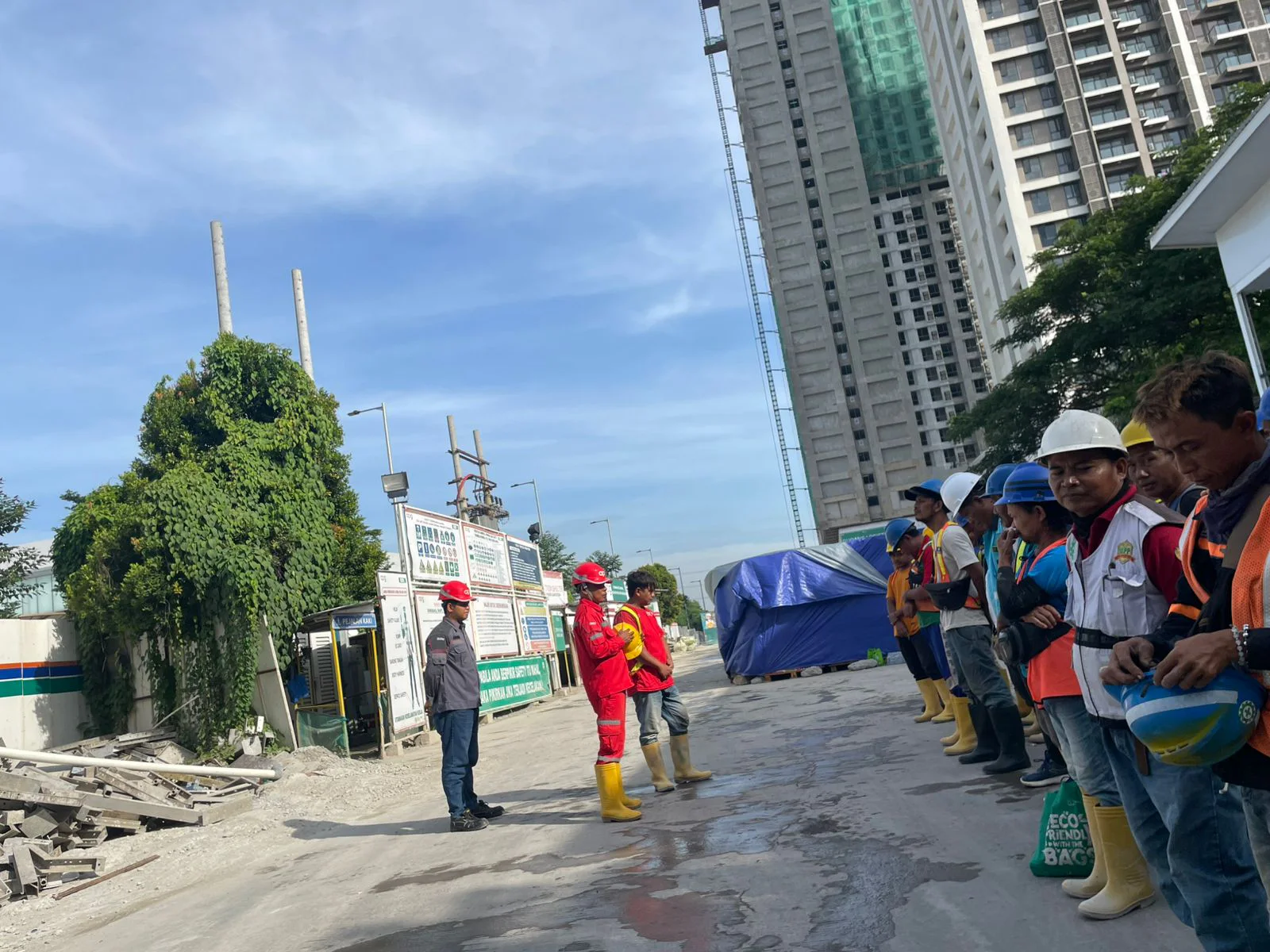
Review these operating and installation conditions against the factory's current situation before planning.
Facility, users, applications, areas, environment, and existing conditions.
Interfaces, responsibilities, dependencies, and test prerequisites.
Topology, routes, capacity, equipment, protection, and expansion margin.
Materials, work access, production windows, safety, and third-party coordination.
Labels, ports, test results, exceptions, corrections, and retests.
Final records, baselines, diagnosis, replacement, changes, and expansion.
Explore the scope and stages of WiFi, office LAN, and CCTV projects, alongside ongoing factory wireless surveys.
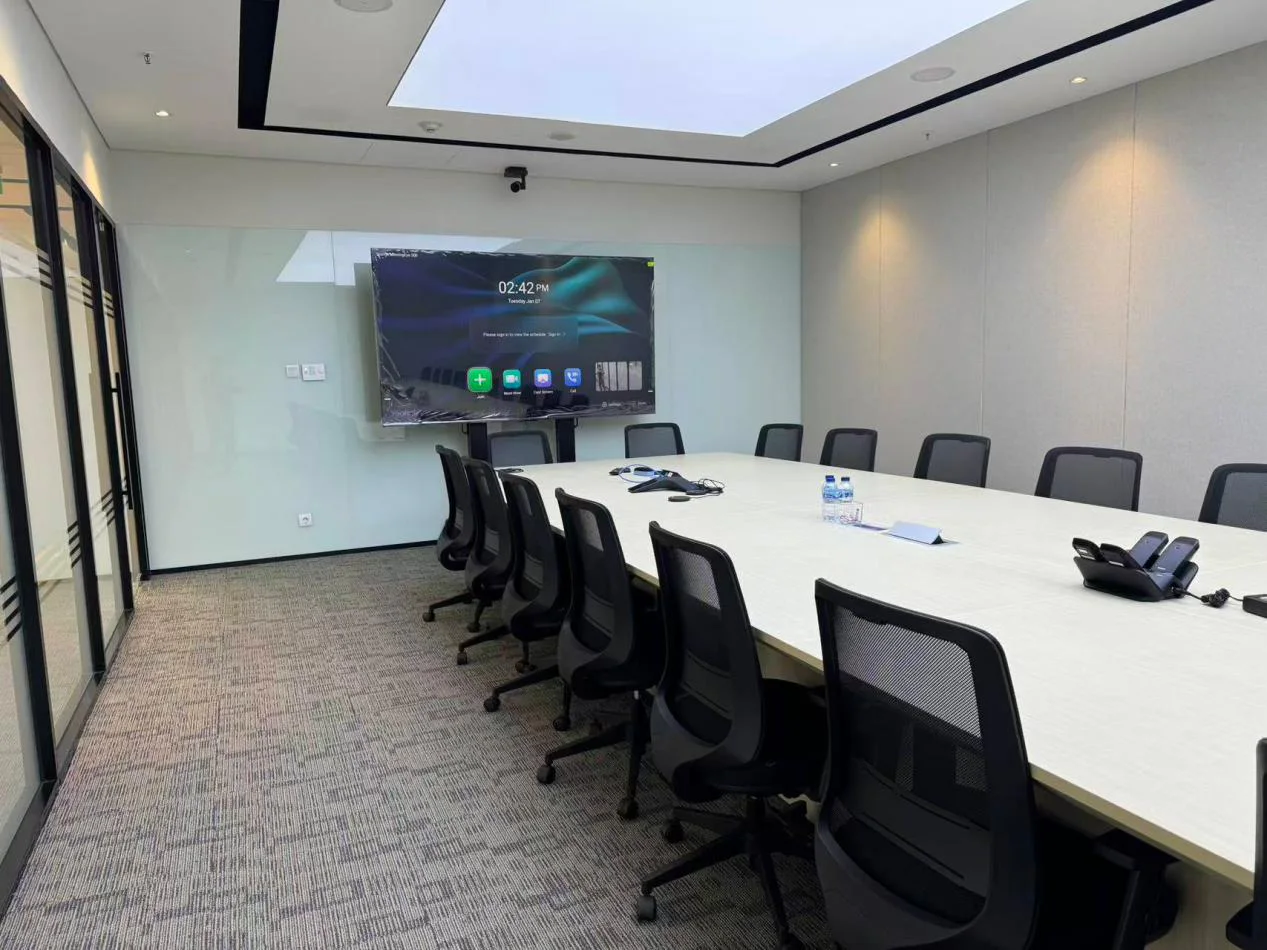
Integration of more than 80 access points, access networking, projection, displays, microphones, audio, HDMI switching, and meeting-room controls at an industrial facility.
Read more →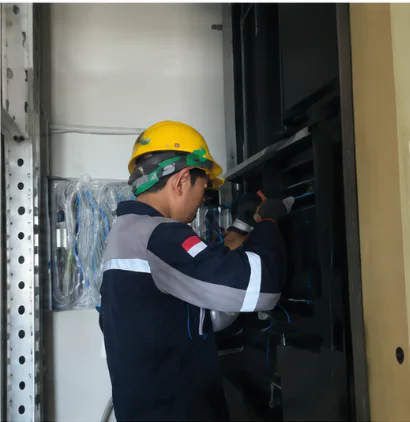
LAN, WiFi, switching, Cat6, rack, termination, network segmentation, and remote-access upgrades for a factory office in West Java.
Read more →
CCTV installation across two separate areas, covering camera points, cable routes, PoE, recording, local viewing, remote access, and handover records.
Read more →Recording production aisles, columns, roof structure, existing cabling, and obstructions to establish inputs for coverage, AP positions, uplinks, and installation methods.
Read more →Identify whether the facility is a new build, an expansion or an operating-site retrofit. Gather the following available information for the discussion and site survey.
The proposal first defines the responsibilities of GTI, the customer and third parties, then the interfaces and test prerequisites for each system. Equipment models, quantities, capacity, work methods and test criteria are confirmed through site surveys, detailed design and the contract.
GTI provides regular on-site service in Jakarta, Tangerang, Bekasi, Cikarang and Karawang. Low-voltage projects can cover Indonesia nationwide; access, schedule, mobilization and logistics elsewhere are confirmed per project. Nationwide project coverage does not mean a resident team or the same response time in every location.
Yes. GTI can arrange Mandarin-speaking staff to discuss requirements, drawing revisions, BOQs and technical solutions directly, including terminology, supply and work boundaries, interfaces and approval routes. Mandarin-speaking site personnel or operational translation requirements are confirmed per project.
Yes. Projects can select systems such as logistics-area CCTV, office LAN or operational WiFi without adopting every module. Work in an operating facility first requires coordination of production windows, site access, other trades and systems that cannot be interrupted. Work arrangements follow the site conditions.
Not from a generic proposal alone. Building distances, metal structures, radio interference, mounting height, power and maintenance access affect the design. Bandwidth, coverage, points, capacity, equipment models, work methods and test criteria need confirmation through site surveys, detailed design and the contract.
The industrial wireless and meeting-system integration case and the factory office network upgrade case are delivered and accepted. The commercial and warehouse CCTV case has completed installation and handover records; one network issue at the first location remains under separate follow-up. Wireless work for two factory areas is at the site-survey stage and does not represent completed system delivery. The related pages below describe the scope and progress of each case.
Use the WhatsApp inquiry link on this page or the website contact page. The business email is ptgti@tj3w.com. An initial discussion can cover the site location, required systems, existing conditions and target timing. The method for exchanging drawings, BOQs and other project documents is agreed during the discussion.
Share the facility type, general location, project stage, system condition, operating constraints, and target timing through a GTI contact channel.